
Direct private lending in most states
Call us anytime at 512-617-9400
Apply now
Program 07

Conventional Investment in Laredo

Conventional investment property loans for Laredo's patient buy-and-hold market.

Conventional financing for non-owner-occupied investment property, up to 80% LTV on a 30-year fixed or ARM, with credit scores from 580 and full income documentation, for a purchase or a refinance. Webb County's values are rising at a measured pace and active listings run scarce, which suits conventional's longer, fully documented process better than a chase for a fast-moving deal. Because several of the metro's submarkets carry low price points, confirming your loan size clears our minimums is worth doing before you assume conventional over DSCR. Business-purpose only, subject to underwriting.
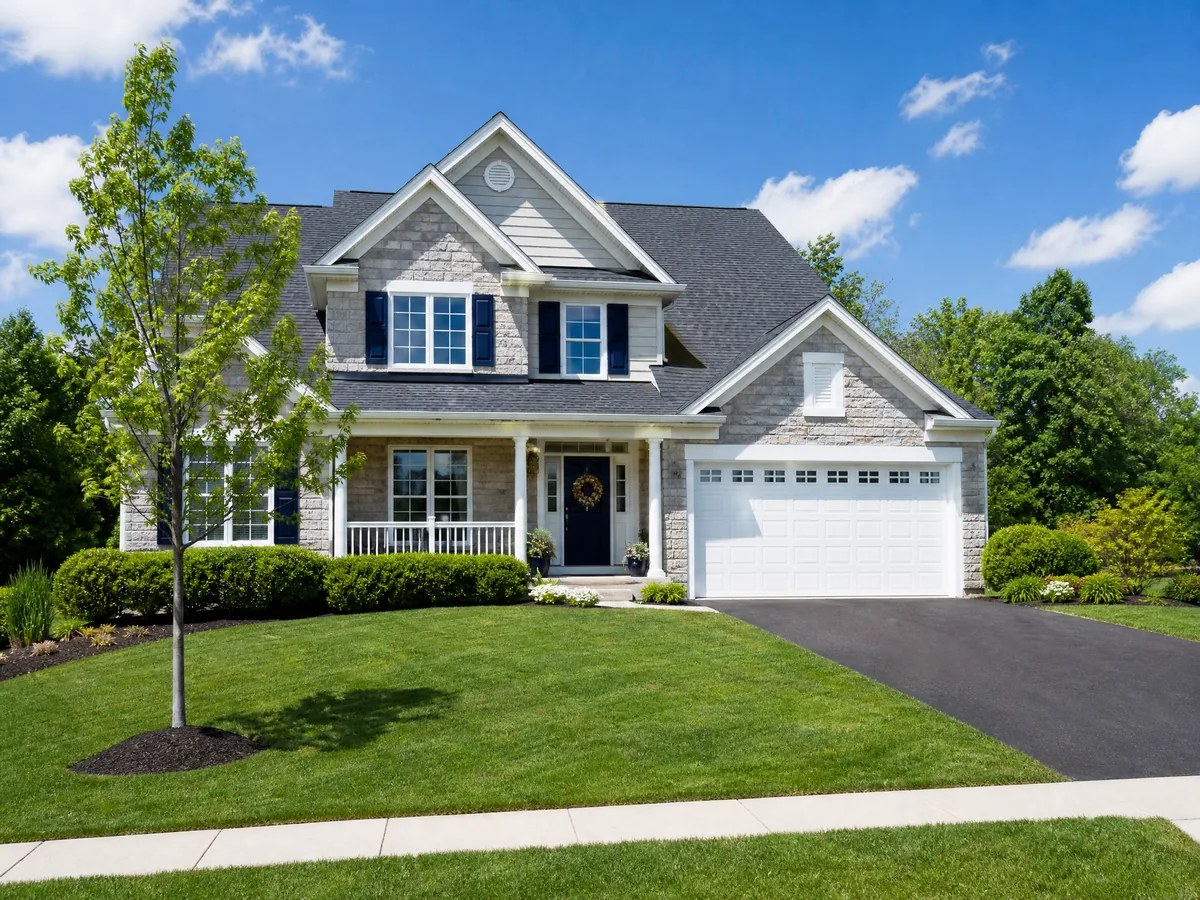
Conventional Investment in Laredo, TX from USA Mortgage
Non-owner
occupied
30-yr
fixed avail.
80%
max LTV
Low
rates

Typical figures, subject to underwriting and market conditions. Not a commitment to lend.

How it works

For investors who qualify conventionally, this is usually the lowest-cost long-term money on a buy-and-hold. We help you weigh it against our DSCR and bank-statement programs so the loan matches your file and your goals.

Who it's for
Buy-and-hold investors
Non-owner-occupied 1-4 units
Borrowers who document income
Purchase or refinance
Typical terms
PropertyInvestment, non-owner-occ
Max leverageUp to 80% LTV
Term30-yr fixed / ARM
IncomeDocumented
CreditFrom 580
UsePurchase or refi
Apply now

*Typical terms, subject to underwriting and market conditions.

Run your Conventional Investment numbers.

Pressure-test the deal in seconds with our free dscr calculator, no sign-up required.

Open the DSCR calculator
Local FAQ

Conventional Investment in Laredo, answered.

Do agency loan minimums matter at Laredo's submarket prices?
They can, in the smaller towns. Zillow's July 2026 city-level values put Freer at $77,097 and Hebbronville at $80,231, with El Cenizo at $101,539 and Cotulla at $107,595, well under the Laredo metro's $220,442 mid-tier home value. Conventional agency programs typically carry a minimum loan amount, so a purchase at the low end of those submarkets can land near or under that floor. Confirm the loan size against our minimum before you assume conventional is the right structure for a small-town Laredo-area deal. Our DSCR rental loan starts at $100,000, so a very small door can sit under that floor too. Bring us the address and we will tell you which structures the loan size actually clears.
When does conventional actually beat DSCR here?
On a patient hold in a market with no boom-bust swing, not on a value-add play. Laredo's metro value rose a modest 2.5% year over year to $220,442 in July 2026, and active listings sat at just 570 for a 281,224-person metro, about 2.0 per 1,000 residents. That is a low-volatility, low-inventory market, the kind where a fully documented conventional loan's lower long-term cost outweighs DSCR's speed and flexibility, provided your income documentation supports it. In a faster-moving or cash-flow-thin file, DSCR usually still wins.
Does it matter which school district my rental sits in when I qualify conventionally?
Yes, more than it would on a DSCR loan. Webb County's Truth in Taxation summary lists Laredo ISD's adopted TY2025 rate at 1.156800 per $100 of value against United ISD's 0.721655, a 43.5-cent spread worth roughly $960 a year on the $220,442 metro mid-tier home value. A conventional purchase or refinance qualifies on your full debt-to-income including the property's tax escrow, so that spread moves your DTI directly, where a DSCR loan tests the property's cash flow instead. Confirm which district a parcel sits in before you run your numbers.
How does a municipal utility district hit my debt-to-income on a Laredo purchase?
Check for it before you run your debt-to-income, because it adds a full percentage point to the tax stack. Gateway MUD #1 and Webb County MUD #1 each levy 1.000000 per $100 of value on top of the county, school district and college rates, pushing an otherwise lower-tax unincorporated parcel to roughly 2.37% of value. On a full-doc conventional file that extra escrow line lands directly in your qualifying ratio, so confirm whether a MUD applies to the specific lot before you count on a given payment.
Does thin Laredo inventory change how I should use a conventional purchase loan here?
It rewards patience over speed. Median days on market lengthened to 69 in July 2026 from 59 a year earlier, against only 570 active listings metro-wide. A conventional purchase loan's longer, fully documented underwriting timeline is less of a disadvantage in a market that is already moving slowly, unlike a fast-turnover metro where a faster-closing structure carries more weight. Full documentation, not speed, is the trade to make here.
How much do prices vary across the submarkets I might buy conventionally in?
Widely, from roughly $77,000 to $223,000 as of July 2026. Zillow's city-level series puts Laredo itself at $223,127, Carrizo Springs at $143,750, Rio Bravo at $133,650, Zapata at $128,492, Cotulla at $107,595, El Cenizo at $101,539, Hebbronville at $80,231 and Freer at $77,097. The year-over-year swings on the smaller towns sit on thin transaction counts and are not reliable trend numbers, so price a conventional loan off the level, not the percentage change, in any submarket outside the city itself.
FAQ

Conventional Investment questions, answered.

What is a conventional investment property loan?
It is standard, competitively priced financing for a non-owner-occupied investment property, the long-term loan you take when your file fits the conventional box. It usually carries a lower rate than a bridge or DSCR loan, in exchange for full documentation.
How is it different from a DSCR loan?
A conventional loan qualifies on your documented personal income and credit, while a DSCR loan qualifies on the property's rent. Conventional pricing is often lower if you can document your income and you are within the limit on financed properties; DSCR is easier to scale and skips the income docs. We compare both and put you in the one that fits.
How much do I need to put down?
Plan on roughly 20% to 25% down on an investment-property purchase, with the best pricing at lower leverage and higher credit. Cash-out refinances are typically capped a bit lower than purchases.
What credit score do I need?
Conventional investment financing generally wants a credit score around 580 or higher, and your rate improves meaningfully as your score and reserves go up. We will tell you up front where your file lands.
What can I use it for?
Purchases, rate-and-term refinances, and cash-out refinances on non-owner-occupied 1-4 unit investment property. If you will live in the property, that is owner-occupied financing, which we refer to a trusted partner rather than originate here.
What documents are required?
Because it is fully documented, expect to provide income verification, tax returns, bank statements, and the standard conventional paperwork. If that documentation is a hurdle, our DSCR and bank-statement programs are the no-tax-return alternatives.
See all frequently asked questions
Resources

Guides for Conventional Investment

Browse all guides
More in Laredo

Other programs in Laredo

All Laredo loan programs

Funding Laredo deals fast.

Get real terms, usually same day. No obligation, no hard credit pull to start.

Apply nowTalk to us