
Direct private lending in most states
Call us anytime at 512-617-9400
Apply now
Program 07

Conventional Investment

Conventional financing for investment property.

Standard, competitively priced financing for non-owner-occupied investment property when your file fits the box. Often the lowest-cost option for a long-term hold, in exchange for full documentation. We'll compare it against DSCR so you take the structure that fits.
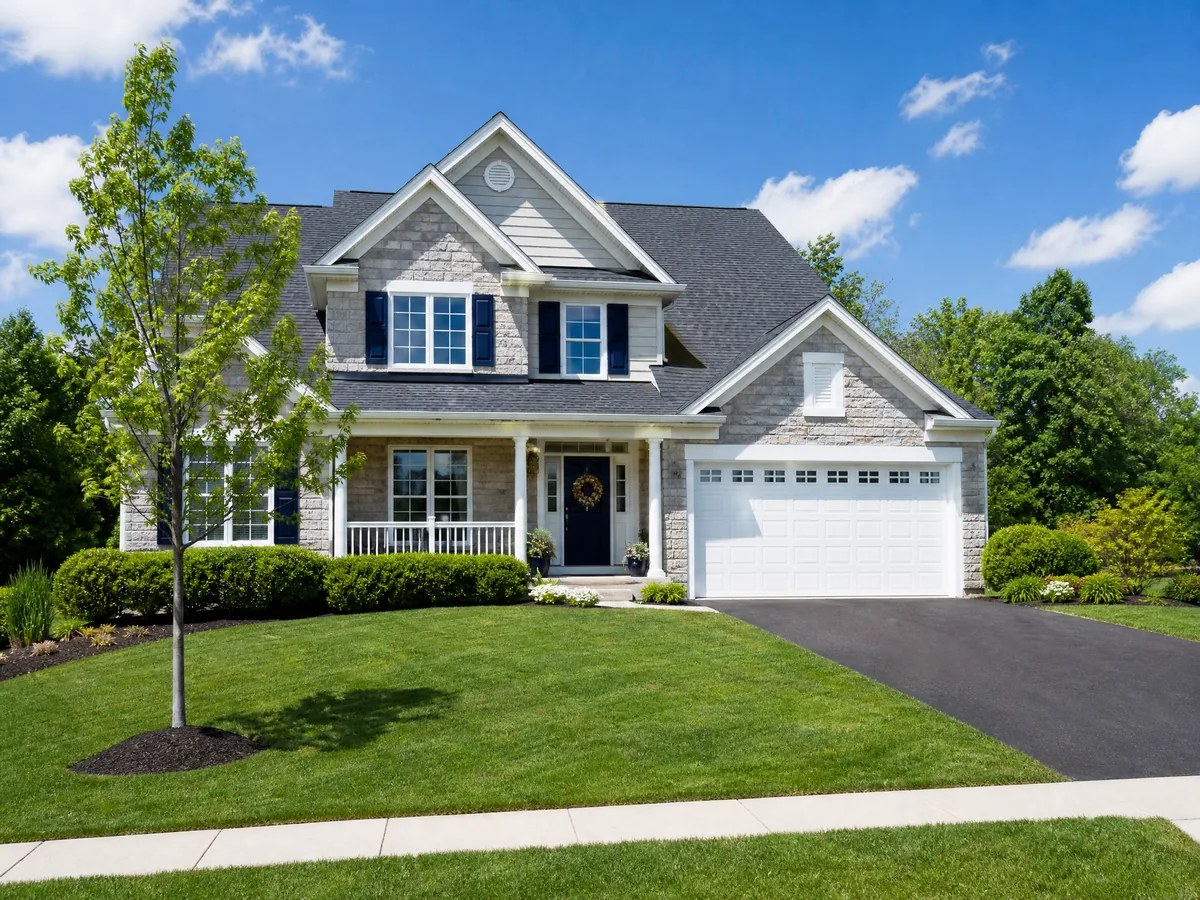
Conventional Investment from USA Mortgage — Conventional financing for investment property.
Non-owner
occupied
30-yr
fixed avail.
80%
max LTV
Low
rates

Typical figures, subject to underwriting and market conditions. Not a commitment to lend.

How it works

For investors who qualify conventionally, this is usually the lowest-cost long-term money on a buy-and-hold. We help you weigh it against our DSCR and bank-statement programs so the loan matches your file and your goals.

Who it's for
Buy-and-hold investors
Non-owner-occupied 1-4 units
Borrowers who document income
Purchase or refinance
Typical terms
PropertyInvestment, non-owner-occ
Max leverageUp to 80% LTV
Term30-yr fixed / ARM
IncomeDocumented
CreditFrom 580
UsePurchase or refi
Apply now

*Typical terms, subject to underwriting and market conditions.

Run your Conventional Investment numbers.

Pressure-test the deal in seconds with our free dscr calculator, no sign-up required.

Open the DSCR calculator
FAQ

Conventional Investment questions, answered.

What is a conventional investment property loan?
It is standard, competitively priced financing for a non-owner-occupied investment property, the long-term loan you take when your file fits the conventional box. It usually carries a lower rate than a bridge or DSCR loan, in exchange for full documentation.
How is it different from a DSCR loan?
A conventional loan qualifies on your documented personal income and credit, while a DSCR loan qualifies on the property's rent. Conventional pricing is often lower if you can document your income and you are within the limit on financed properties; DSCR is easier to scale and skips the income docs. We compare both and put you in the one that fits.
How much do I need to put down?
Plan on roughly 20% to 25% down on an investment-property purchase, with the best pricing at lower leverage and higher credit. Cash-out refinances are typically capped a bit lower than purchases.
What credit score do I need?
Conventional investment financing generally wants a credit score around 580 or higher, and your rate improves meaningfully as your score and reserves go up. We will tell you up front where your file lands.
What can I use it for?
Purchases, rate-and-term refinances, and cash-out refinances on non-owner-occupied 1-4 unit investment property. If you will live in the property, that is owner-occupied financing, which we refer to a trusted partner rather than originate here.
What documents are required?
Because it is fully documented, expect to provide income verification, tax returns, bank statements, and the standard conventional paperwork. If that documentation is a hurdle, our DSCR and bank-statement programs are the no-tax-return alternatives.
See all frequently asked questions
Resources

Guides for Conventional Investment

Browse all guides
Explore more

Other programs

Ready to fund your Conventional Investment deal?

Get real terms, usually same day. No obligation, no hard credit pull to start.

Apply nowTalk to us