
Direct private lending in most states
Call us anytime at 512-617-9400
Apply now
Program 07

Conventional Investment in San Mateo

Conventional investment property loans for buy-and-hold across San Mateo County.

Standard, competitively priced financing for non-owner-occupied investment property when your file fits the box, up to 80% LTV on a 30-year fixed or ARM. Often the lowest-cost option for a long-term hold here, where mid-tier city values ran from about $1.2M in South San Francisco to nearly $2.9M in Menlo Park as of July 2026, so loan size is the first question on every file. We'll compare it against DSCR so the structure matches your address, not just your income. Business-purpose only, subject to underwriting.
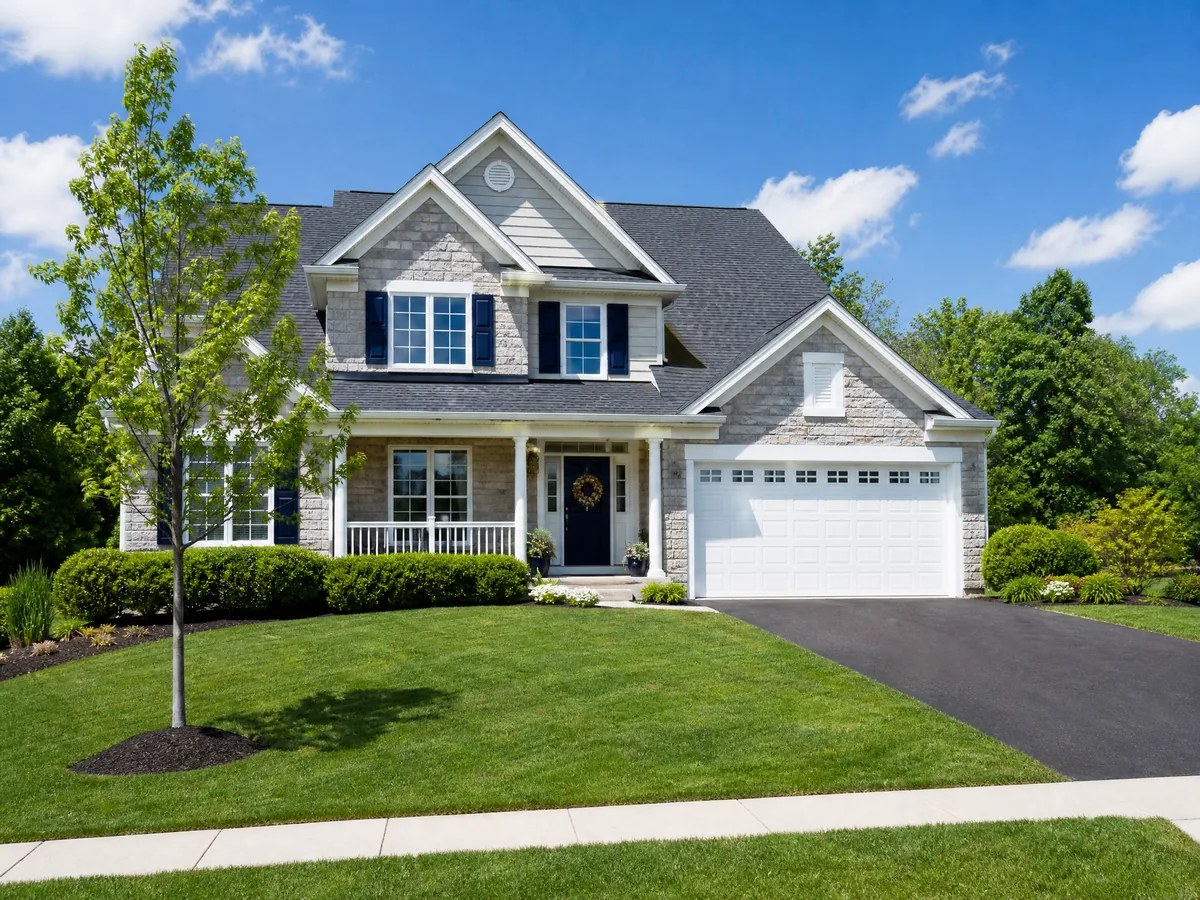
Conventional Investment in San Mateo, CA from USA Mortgage
Non-owner
occupied
30-yr
fixed avail.
80%
max LTV
Low
rates

Typical figures, subject to underwriting and market conditions. Not a commitment to lend.

How it works

For investors who qualify conventionally, this is usually the lowest-cost long-term money on a buy-and-hold. We help you weigh it against our DSCR and bank-statement programs so the loan matches your file and your goals.

Who it's for
Buy-and-hold investors
Non-owner-occupied 1-4 units
Borrowers who document income
Purchase or refinance
Typical terms
PropertyInvestment, non-owner-occ
Max leverageUp to 80% LTV
Term30-yr fixed / ARM
IncomeDocumented
CreditFrom 580
UsePurchase or refi
Apply now

*Typical terms, subject to underwriting and market conditions.

Run your Conventional Investment numbers.

Pressure-test the deal in seconds with our free dscr calculator, no sign-up required.

Open the DSCR calculator
Local FAQ

Conventional Investment in San Mateo, answered.

At San Mateo County prices, when does a loan cross into jumbo territory?
Often, once you're above the mid-Peninsula. Mid-tier city values here span roughly $1,016,727 in East Palo Alto to $2,890,071 in Menlo Park as of July 2026, with Burlingame at $2,817,833, Millbrae at $2,055,633, Redwood City at $1,893,533 and Foster City at $1,863,228 in between. A purchase near the top of that range commonly lands above the conforming loan limit for the county and moves into jumbo underwriting, with its own documentation and pricing rules layered on top of the conventional box. We did not find a current, citable conforming or high-balance limit figure for San Mateo County to publish here, so send us the address and purchase price and we will tell you exactly where that specific loan lands before you write an offer.
Should I use conventional or DSCR on a Burlingame or Menlo Park rental?
Conventional is usually the workable path on the north side of this county. Gross rental yields here run thin at the top of the market, an estimated 1.67% in Burlingame and 1.81% in Menlo Park on July 2026 rent and value data, because rents cluster in a narrow band while purchase prices do not. That math makes a DSCR loan's rent-based coverage test harder to clear on a high-basis north-county purchase. A documented-income conventional loan qualifies on you rather than on the property's rent, which is why it tends to be the fit up here if your tax returns support the file. Numbers are our arithmetic (annual rent times 12, divided by value) on sourced Zillow inputs, not a cap rate, so confirm actual expenses and vacancy before you underwrite a specific deal.
Does conventional or DSCR work better in South San Francisco or San Bruno?
This is where DSCR gets more competitive. Estimated gross yields run higher at the south end of the county, about 3.97% in South San Francisco and 3.06% in San Bruno as of July 2026, versus 1.67% to 2.20% at the north end. A stronger rent-to-value ratio makes it easier for a property to carry its own debt service on a DSCR loan, which can skip the income documentation a conventional file requires. We still run both side by side, because your specific credit, reserves and documentation may point conventional even where the rent math favors DSCR on paper.
Rents are rising faster than values here. Does that change the conventional-versus-DSCR call?
It can, but not on day one. Year-over-year rent growth across these cities ran 7.4% to 12.8% as of July 2026, while values grew 0.5% to 9.2% over the same period, so a rental's debt-service coverage on paper improves with each lease renewal even where it looks thin at closing. On a purchase you're underwriting today, though, the DSCR test uses the rent roll as it stands now, not next year's projection. A conventional loan sidesteps that timing question entirely by qualifying on your documented income, which is one reason it can be the safer close on a property whose coverage only works if the rent keeps climbing on schedule.
How does San Mateo County's reassessment jump affect my ratios on a conventional loan?
It lands directly in your qualifying payment, because conventional underwriting runs on your debt-to-income ratio. Property here is reassessed to the price you actually pay, not the seller's old base. A $1,685,162 purchase in the City of San Mateo at that city's median composite tax rate of 1.1201% bills about $18,876 in year one (1,685,162 x 0.011201 = 18,875), a jump that flows straight into the escrow line your conventional lender uses to compute your ratios. A DSCR loan tests that same tax number against the property's rent instead of your personal income, so the reassessment gap hits the two products' underwriting through different math even on an identical purchase.
Does East Palo Alto's rent stabilization ordinance change whether conventional or DSCR fits there?
It weighs toward conventional. East Palo Alto carries the county's lowest entry basis at $1,016,727 and its highest estimated gross yield at 4.25% as of July 2026, numbers that would normally point straight at DSCR. But East Palo Alto is also the only city in this county with a rent stabilization program, an elected Rent Stabilization Board and an annual general adjustment on most residential tenancies, which caps how far you can raise rent to strengthen a DSCR coverage ratio over time. A conventional loan, qualifying on your documented income rather than the unit's rent ceiling, is not exposed to that cap the same way. Talk to the Rent Stabilization Board and your CPA about the current adjustment before you model either loan on an East Palo Alto address.
FAQ

Conventional Investment questions, answered.

What is a conventional investment property loan?
It is standard, competitively priced financing for a non-owner-occupied investment property, the long-term loan you take when your file fits the conventional box. It usually carries a lower rate than a bridge or DSCR loan, in exchange for full documentation.
How is it different from a DSCR loan?
A conventional loan qualifies on your documented personal income and credit, while a DSCR loan qualifies on the property's rent. Conventional pricing is often lower if you can document your income and you are within the limit on financed properties; DSCR is easier to scale and skips the income docs. We compare both and put you in the one that fits.
How much do I need to put down?
Plan on roughly 20% to 25% down on an investment-property purchase, with the best pricing at lower leverage and higher credit. Cash-out refinances are typically capped a bit lower than purchases.
What credit score do I need?
Conventional investment financing generally wants a credit score around 580 or higher, and your rate improves meaningfully as your score and reserves go up. We will tell you up front where your file lands.
What can I use it for?
Purchases, rate-and-term refinances, and cash-out refinances on non-owner-occupied 1-4 unit investment property. If you will live in the property, that is owner-occupied financing, which we refer to a trusted partner rather than originate here.
What documents are required?
Because it is fully documented, expect to provide income verification, tax returns, bank statements, and the standard conventional paperwork. If that documentation is a hurdle, our DSCR and bank-statement programs are the no-tax-return alternatives.
See all frequently asked questions
Resources

Guides for Conventional Investment

Browse all guides
More in San Mateo

Other programs in San Mateo

All San Mateo loan programs
About the local figures on this page

Local rules move. Every tax rate, fee, ordinance and market figure here comes from a primary source and carries the date we read it, and we correct them as the rules change. Where a number is mid-change or we could not verify it, we say so rather than guess. Before you commit a budget, confirm anything that drives it with the city or county, and talk to your attorney or CPA on questions of law or tax.

Funding San Mateo deals fast.

Get real terms, usually same day. No obligation, no hard credit pull to start.

Apply nowTalk to us