
Ground up construction loans for spec builders in Santa Rosa.
We fund ground-up construction in most states, up to 70% LTV and 85% of cost, with draws that keep pace with your build. In Sonoma County, that reaches a lot purchase in Santa Rosa as well as a Healdsburg build tied to the city's annual permit allocation. It also reaches a hillside or rural parcel, where the county's fire-safe road and driveway standards are a cost before you ever pour a foundation. Business-purpose only, and every term is set in underwriting.
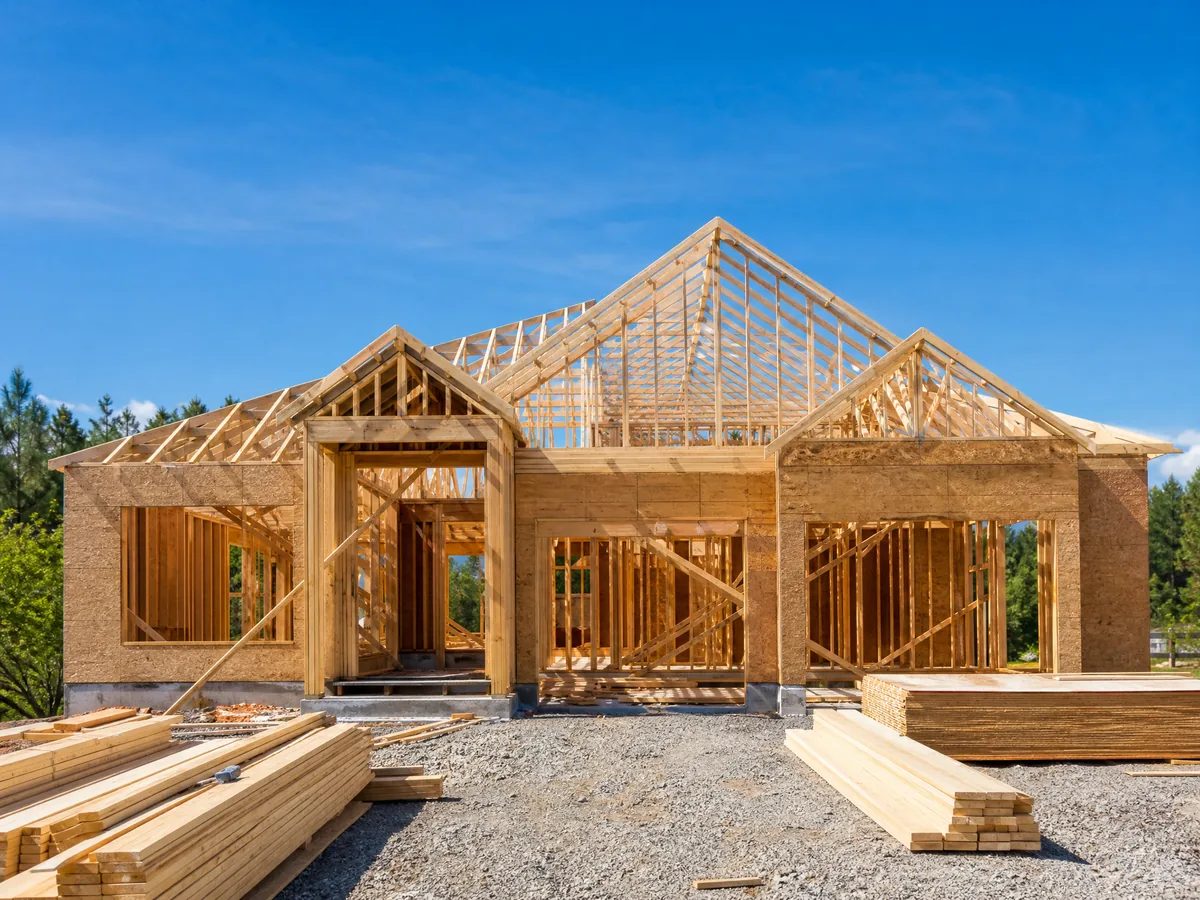
Typical figures, subject to underwriting and market conditions. Not a commitment to lend.
How it works
We finance both the land and the vertical construction, with a draw schedule built around your timeline. Experienced builders can access higher leverage on cost.
I want to build in Healdsburg. Is there a cap on how many homes can get a permit?
Yes, and it is a hard numeric limit, not a soft priority list. Healdsburg's Measure M growth management program caps new residential permits to an average of 30 units a year and no more than 90 in any three-year period, with ADUs and deed-restricted affordable units exempt. A time-limited allocation from the Planning Director is required before most new dwelling units can be built, so in Healdsburg the allocation is the scarce asset, not the buildable lot. Size your construction loan and timeline around securing that allocation first. Subject to underwriting.
I'm building on a rural or hillside Sonoma County lot. What access standards do I need to plan for before I break ground?
Wider roads and gentler grades than a typical subdivision requires. Sonoma County's fire safe standards call for an existing private road serving your parcel to be at least 12 feet wide with a foot of vegetation clearance on each side, a new driveway to carry a 12-foot traffic lane with turnouts on long runs, turnouts a minimum of 20 feet wide and 30 feet long, and no grade above 15% without Fire Chief approval. On a steep or long-driveway lot, that access work is a line item before the foundation, and it belongs in your draw schedule from day one. Subject to underwriting.
I'm buying a burned lot in Santa Rosa to build new. Do I inherit the old owner's lower property tax bill?
No, and that is the trap in a burn-scar purchase. Under California's calamity provision, an owner who rebuilds a fire-damaged home "like or similar" keeps their prior Prop 13 base year value. That relief belongs to the person who owned the parcel when it burned, not to you. Buy the lot and build new, and your tax base resets to your purchase price, taxed at roughly 1.1375%, the most common total rate across Santa Rosa's tax rate areas for 2025. Model your new build off the price you paid, not off the seller's old tax bill. Subject to underwriting.
Can I count on an expedited five-day fire-rebuild permit for my Santa Rosa project?
Not as a current pathway, and we will not price your loan as if you can. Santa Rosa's Resilient City zoning after the 2017 fires waived certain fees and expedited review for reconstruction in Coffey Park, Fountaingrove and several other designated areas, but that immediate five-day track has largely concluded, and Coffey Park itself is reported at roughly 96 to 97 percent rebuilt. Whether any Resilient City standard remains in force this year is not something we can confirm, so build your construction timeline around the city's current review process, not the fastest case from years ago. Subject to underwriting.
Does my Santa Rosa or Sonoma County build need fire insurance lined up before the loan closes?
Get the quote before you finalize the budget, not after. Cal Fire re-mapped the county's fire hazard severity zones in 2025, and the changes cut both ways: the City of Santa Rosa's highest-hazard acreage fell while unincorporated Sonoma County's rose sharply. A parcel's designation may have shifted since your last comparable closed, and the California FAIR Plan writes basic fire coverage only, so plan on pairing it with a separate policy for everything else. Start the insurance conversation alongside your construction budget, not after your draw schedule is set. Subject to underwriting.
What will impact fees and permit review actually cost and how long will they take in Santa Rosa or the rest of Sonoma County?
We won't hand you a number, because no jurisdiction in the county publishes one we could verify. Impact fee amounts, school fees, water and sewer capacity charges, and typical permit timelines vary by city and by project and are not published anywhere we could cite. Pull the actual fee schedule from your city's or the county's planning department before you finalize your budget, and build a contingency into your draw schedule rather than assuming a specific week count. Subject to underwriting.
FAQ
Ground-Up Construction questions, answered.
How much of my construction project will you finance?
We fund new construction up to 70% of value and up to 85% of total cost (land plus build), in most states, on loans up to $5M. Experienced builders reach the higher end of leverage. We finance both the lot and the vertical construction within those caps.
Will you finance the land or lot purchase?
Yes. Lot acquisition is funded as part of your loan-to-cost. If you already own the lot, that equity can serve as your down payment, which often lets us fund most or all of the build cost.
How does the draw schedule work?
Construction funds are released in draws as milestones are completed and verified, not handed over at closing. You submit your budget and scope of work up front, complete a phase, request a draw, and we release that portion after inspection. You pay interest on funds as they are drawn.
What are the rates and terms on a ground-up loan?
Our construction pricing starts around 10%, interest-only, on terms of 12 to 24 months. Market ground-up rates generally run 9% to 12% with 1 to 3 points. Your pricing and leverage depend on your build experience and the strength of the project.
Do you lend to first-time builders?
We consider builders at all levels, though a track record helps your leverage and rate. A first-time builder should expect to bring a strong general contractor, a detailed budget, and typically a larger equity contribution. A well-documented project goes a long way.
What do you need to quote a construction loan?
The lot cost or current value, your construction budget and scope of work, the projected after-built value, and your build experience. With those we can size the loan against both cost and completed value and send you terms.