
Direct private lending in most states
Call us anytime at 512-617-9400
Apply now
Program 07

Conventional Investment in Tri-Cities

Conventional investment property loans across the Tri-Cities.

USA Mortgage funds conventional financing for non-owner-occupied investment property across the Tri-Cities, up to 80% LTV on a 30-year fixed or ARM, with documented income and credit from 580. Every city here, from Connell's mid-tier value to West Richland's, sits in a price band conventional product can size comfortably, so the program reaches the whole metro rather than just its top end. We'll compare it against DSCR so you take the structure that fits your file. Business-purpose only, subject to underwriting.
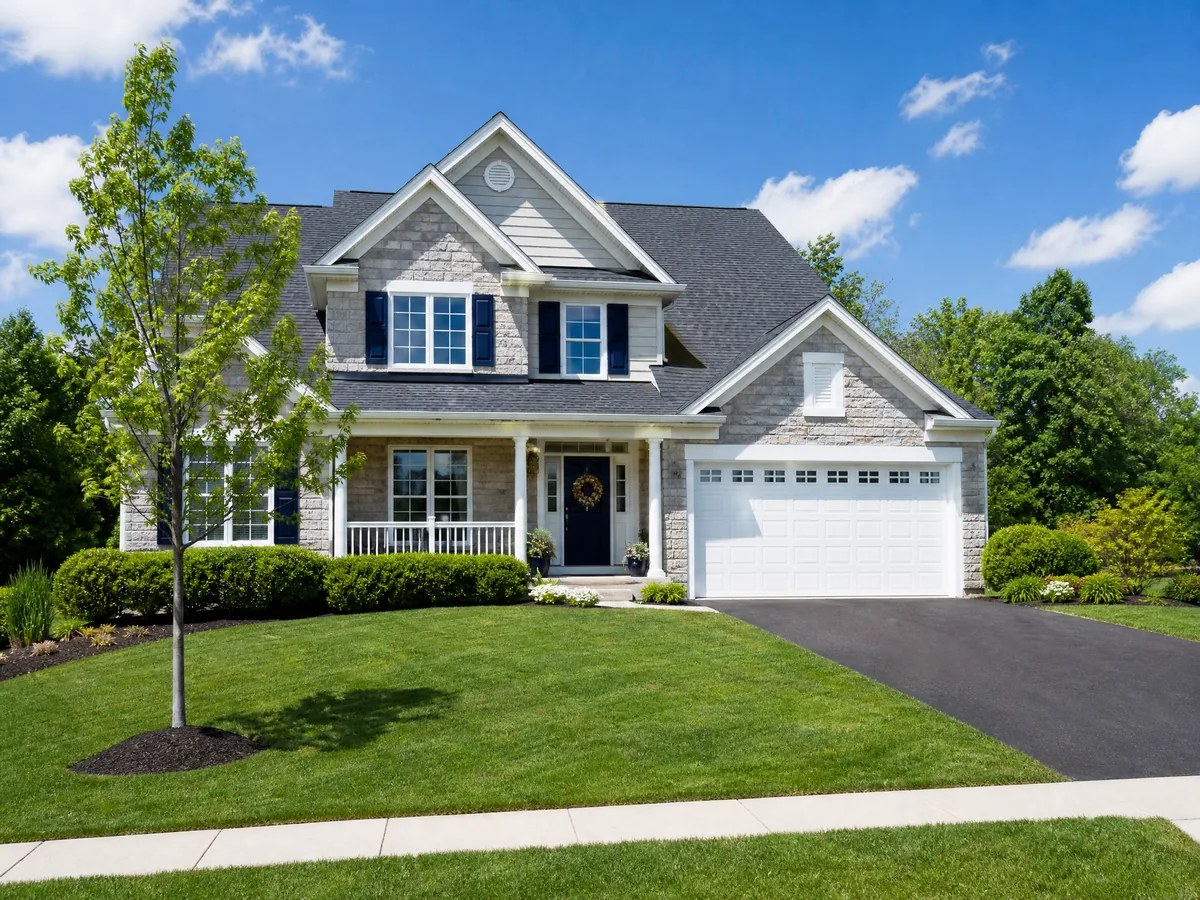
Conventional Investment in Tri-Cities, WA from USA Mortgage
Non-owner
occupied
30-yr
fixed avail.
80%
max LTV
Low
rates

Typical figures, subject to underwriting and market conditions. Not a commitment to lend.

How it works

For investors who qualify conventionally, this is usually the lowest-cost long-term money on a buy-and-hold. We help you weigh it against our DSCR and bank-statement programs so the loan matches your file and your goals.

Who it's for
Buy-and-hold investors
Non-owner-occupied 1-4 units
Borrowers who document income
Purchase or refinance
Typical terms
PropertyInvestment, non-owner-occ
Max leverageUp to 80% LTV
Term30-yr fixed / ARM
IncomeDocumented
CreditFrom 580
UsePurchase or refi
Apply now

*Typical terms, subject to underwriting and market conditions.

Run your Conventional Investment numbers.

Pressure-test the deal in seconds with our free dscr calculator, no sign-up required.

Open the DSCR calculator
Local FAQ

Conventional Investment in Tri-Cities, answered.

Are Tri-Cities home prices even in range for conventional investor financing?
Yes, the whole metro sits well inside conventional territory. Every named city's July 2026 mid-tier value falls between $327,426 in Connell and $498,909 in West Richland, with the three cores running $421,383 in Pasco, $435,000 in Kennewick and $470,131 in Richland. None of that pushes into the price range where sizing gets tight. Where it does get tight is the smaller end: on a lower-priced deal like a Connell purchase, fixed underwriting and closing costs don't shrink with the price tag, so they take a bigger bite out of the deal than they do on a $470,000 Richland purchase. Send us your purchase price and we'll tell you where it lands.
How much cash do I need down on a conventional Tri-Cities rental at the top of the market versus the bottom?
The percentage stays the same at 80% LTV, but the dollar gap is real. On Connell's $327,426 mid-tier value, 20% down runs about $65,485. On West Richland's $498,909, the same 20% runs about $99,782, a difference of roughly $34,300 in cash you need at the closing table for a comparable-tier property in the same metro. That gap is the practical limit an investor feels first on a Tri-Cities conventional purchase: not the loan program's leverage, which doesn't change, but how much cash each city's price point actually requires.
When does conventional make more sense than DSCR for a Tri-Cities buy-and-hold?
When your income documents the way a conventional file needs it to, and in this metro that split runs by county. Benton County, where Kennewick and Richland sit, had 98,673 jobs in 2024 at an average annual wage of $70,803, anchored by PNNL's 6,043-person science and engineering staff and the professional and business services sector built around Hanford. That is the salaried, W-2, well-documented income profile conventional underwriting is built for. Franklin County, where Pasco sits, runs a lower $57,267 average wage with a large agriculture and food-manufacturing base and a metro unemployment rate that swings roughly 3.7% to 6.5% across the planting-and-harvest cycle. A borrower with that seasonal or self-employed income profile is often a better fit for our DSCR or bank statement programs. Tell us how your income actually shows up and we'll point you to the right structure.
Does Washington's lack of an income tax change how I should think about a conventional Tri-Cities purchase?
It changes what you keep, more than what conventional underwriting asks for. Washington charges no personal or corporate income tax on the money an investor earns today, which is real cash flow on a long-term conventional hold here. That said, a separate 9.9% tax on individual income above $1,000,000, which expressly reaches rental and pass-through income, is scheduled to begin for tax years starting 2028 and is currently under legal challenge, so it does not touch today's file but is worth planning around if you're building a multi-decade hold. Talk to your Washington CPA about how that timeline affects your numbers.
A 30-year fixed loan is a long hold. How much does the Benton-versus-Franklin tax gap matter over that horizon?
More than it does on a short-term loan, because you're carrying it for decades, not months. Franklin County's certified property taxes rose 8.3% for 2026 while Benton County's rose 0.56%, and the two counties run separate assessors and separate boards of equalization, though the appeal petition deadline is July 1 in both. A conventional purchase in Pasco is on the faster-rising side of that split; a purchase in Kennewick or Richland is on the slower side. Neither trajectory is guaranteed to hold for 30 years, but on a fixed-rate hold that long, which county's tax stack you're underwriting is worth weighing alongside the purchase price itself. Model the rent side against Washington's statewide cap on rent increases, which is 9.683% for calendar 2026 and 10% for calendar 2027 on covered tenancies, with no cap between tenancies. Talk to your attorney about how the cap and its exemptions apply to your property and your entity.
What is the lowest credit score you will look at on a Tri-Cities conventional investment loan?
580. That is the floor on this program, and it sits below the 640 our DSCR and bank statement programs start at, so a borrower with documented income and bruised credit sometimes fits conventional better than the alternatives. Below 580 we would point you toward an asset-based structure instead, where there is no minimum score. There is no hard credit pull to start. Subject to underwriting.
My Tri-Cities income is seasonal. Will conventional underwriting still work?
Only if it documents. Conventional investment financing is a fully documented program: tax returns, W-2s or their equivalent, on a 30-year fixed or ARM at up to 80% LTV. That reads poorly on income tied to the planting-and-harvest cycle, the same cycle that swings metro unemployment roughly 3.7% to 6.5% inside a year. If your income shows up in deposits or in a rent roll rather than on a return, our bank statement and DSCR programs read it better. Subject to underwriting.

More Conventional Investment questions, answered on the program page

Resources

Guides for Conventional Investment

Browse all guides
More in Tri-Cities

Other programs in Tri-Cities

All Tri-Cities loan programs
About the local figures on this page

Local rules move. Every tax rate, fee, ordinance and market figure here comes from a primary source and carries the date we read it, and we correct them as the rules change. Where a number is mid-change or we could not verify it, we say so rather than guess. Before you commit a budget, confirm anything that drives it with the city or county, and talk to your attorney or CPA on questions of law or tax.

Published by USA Mortgage Funding, LLC, NMLS #152588. Researched from primary sources by our team, drafted with AI assistance, and every figure checked against its source before publishing. Where an answer rests on a public record, that record is linked under it. Figures read on 2026-08-21.

Funding Tri-Cities deals fast.

Get real terms, usually same day. No obligation, no hard credit pull to start.

Apply nowTalk to us