
Direct private lending in most states
Call us anytime at 512-617-9400
Apply now
Program 10

SBA Financing in Boulder

Boulder owner-occupants, matched to 7(a) or 504 SBA loans.

When a deal calls for long-term, government-backed financing, we place SBA 7(a) and 504 loans through relationships with more than 20 SBA lenders. We match your scenario to the right program and the terms that fit it. Boulder's charter-level growth limits, the Blue Line elevation cap, the open space greenbelt, and the comprehensive plan service boundary, keep new commercial ground scarce, so owning your building is often the only way to fix your occupancy cost in Boulder for good. Business-purpose only, and every structure is set in underwriting.
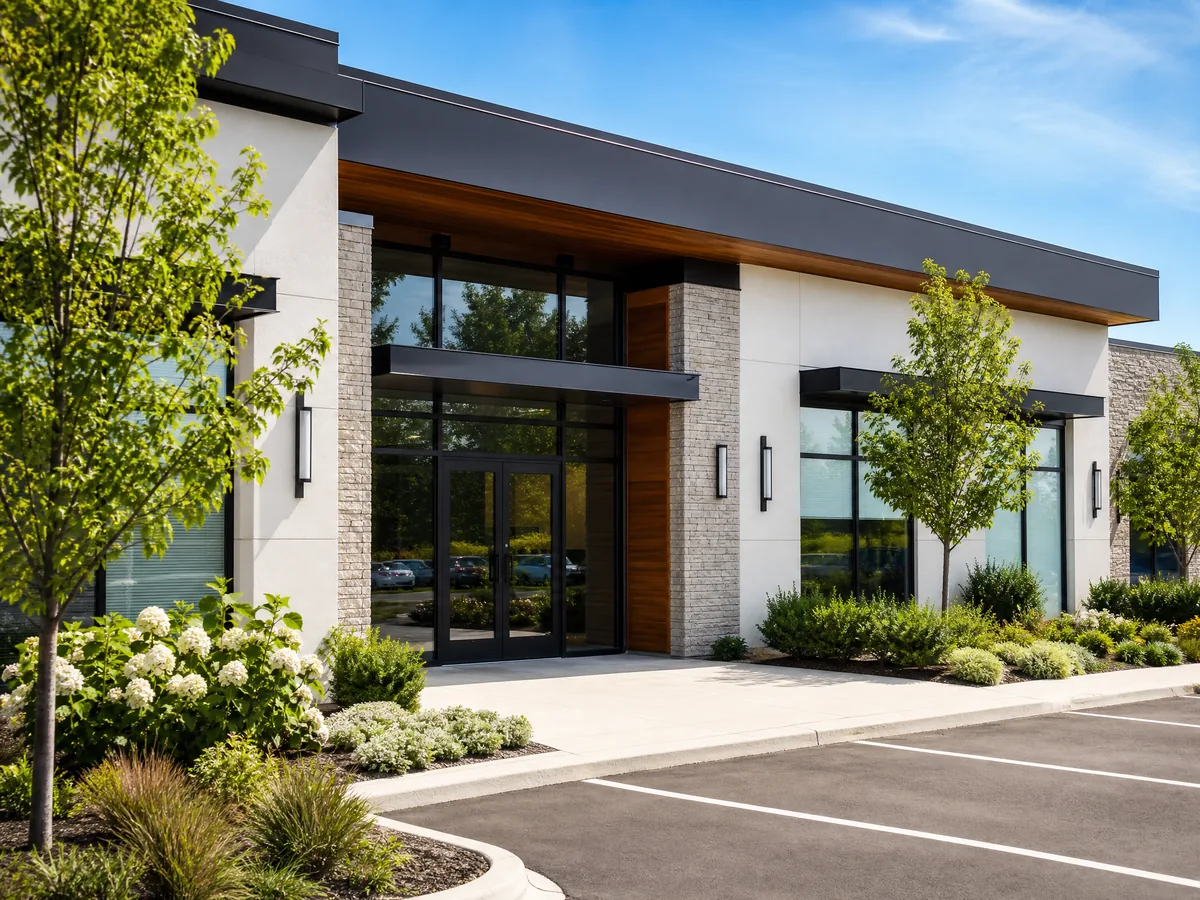
SBA Financing in Boulder, CO from USA Mortgage
7(a) & 504
programs
90%
financing
25-yr
terms
20+
SBA lenders

Typical figures, subject to underwriting and market conditions. Not a commitment to lend.

How it works

SBA loans offer low down payments and long amortizations for owner-occupied property and business acquisition. USA Mortgage arranges and places SBA financing through our network of partner lenders; we are not ourselves an SBA lender. We shop your file across that network so you get the strongest approval.

Who it's for
Owner-occupied commercial RE
Business acquisition
Real estate plus equipment
Partner or stock buyout
Typical terms
Loan amount$350K to $5M+
FinancingUp to 90%
TermUp to 25 years
RateMarket SBA rates
PropertyOwner-occupied CRE
Programs7(a) and 504
Apply now

*Typical terms, subject to underwriting and market conditions.

Run your SBA Financing numbers.

Pressure-test the deal in seconds with our free sba loan calculator, no sign-up required.

Open the SBA Loan calculator
Local FAQ

SBA Financing in Boulder, answered.

Why does buying a building actually make sense in a market as tight as Boulder?
Because the city cannot expand its commercial ground, no matter how strong your business is doing. Boulder's growth limits are charter-level and permanent: a 1959 charter amendment barred city water service above 5,750 feet of elevation, the 1967 open space program has since acquired more than 46,640 acres ringing the city, and a joint city-county comprehensive plan limits where water and sewer can extend at all. With new commercial ground capped by policy rather than by cycle, owning the building your business operates from is often the only way to fix your occupancy cost in Boulder for good, instead of re-leasing into whatever supply is left. See the SBA program page for how we structure a file.
How much of my Boulder building does my own business actually have to occupy?
51% of an existing building, 60% of new construction, and the new-construction rule is stricter than most people are told. Under 13 CFR 120.131, an existing building needs your operating business in at least 51% of the rentable space, with the rest permanently leasable. New construction is different: you must occupy at least 60%, and only 20% of the space may be permanently leased to third parties, with the remaining 20% covered by an absorption plan that occupies it within three years and fully within ten. "Occupy 60% and rent the rest" is the common wrong version of this rule. Talk to your attorney or CPA about how your lease plan lines up against it before you commit to a floor plan.
What does owning a Boulder building actually cost in property tax, once I'm out of the leased space?
A lot more than the residential number you may have seen, because commercial property assesses at a different rate entirely. Colorado assesses non-residential real property, including owner-occupied commercial buildings, at 27% of actual value for tax year 2025, roughly four times the 6.25% to 7.05% residential rates for the same year. Those rates are set by tax year and have been scheduled to move, so confirm the current ones with the assessor. That non-residential rate then multiplies against the mill levy for the specific tax area the parcel sits in, and Boulder County's tax areas run from 70.836 to 199.108 mills depending on which metro and special districts stack on top of the base town levy. The same building can carry a very different bill depending on which side of a district line it sits on, so in Boulder County the underwriting question is which tax area, not which town.
How much cash do I actually need to put down on a 504 loan for a Boulder building?
Ten percent is the floor, not the rule, and Boulder's borrower base often lands above it. Under 13 CFR 120.910, the borrower contributes 10% on an ordinary project, 15% if the business has operated under two years or the building is single purpose, and 20% if both are true. The 504 loan itself is capped at 40% of project cost, with a standard maximum of $5 million under 13 CFR 120.931, rising to $5.5 million only for small manufacturers or a qualifying energy project. Boulder's Highway 36 corridor carries a real cluster of aerospace and hardware manufacturing, which is exactly the borrower profile that reaches the higher cap; if that describes your business, say so on the first call.
I heard SBA fees were waived. Is that still true for a Boulder loan closing this year?
No. Fees came back for fiscal 2026, and any page still saying otherwise is stale. For loans approved between October 1, 2025 and September 30, 2026, the 7(a) upfront guaranty fee is back at 2% to 3.5% and up depending on size, after being zero under $1 million in fiscal 2025. The 504 upfront fee returned at 0.50%, with the annual service fee cut to 0.209%. Budget the upfront fee into your closing costs rather than finding it at the commitment letter. Small manufacturers under NAICS 31 to 33 are the exception: no 7(a) upfront fee at or under $950,000, and waived 504 fees, on top of the $5.5 million 504 cap.
Does Colorado's tax code help or hurt an SBA-financed business buying its own building in Boulder?
It helps. Colorado's corporate income tax is a flat 4.40%, and the state has no franchise tax, no gross receipts tax, and no entity-level net worth tax on an LLC. That is a favorable operating backdrop for the owner-operator business SBA financing is built for, on top of whatever the building itself saves you against Boulder's lease market. Talk to your CPA about how the current rates apply to your specific entity structure.
FAQ

SBA Financing questions, answered.

What is the difference between an SBA 7(a) and a 504 loan?
The 7(a) is the flexible, all-purpose SBA loan: owner-occupied real estate, business acquisition, partner buyouts, equipment, and working capital under one note. The 504 is purpose-built for owner-occupied commercial real estate and heavy equipment, with a long-term fixed rate and a low down payment. We place both and match your scenario to the right one.
How much can I borrow, and how much do I put down?
SBA loans go up to $5M, with larger total project sizes possible on the 504 since a bank funds part of the deal. Down payments are low, often around 10%, rising to 15% to 20% for startups or special-purpose properties. On the right deal we finance up to 90%.
What are the terms and rates?
Terms run up to 25 years for real estate, which keeps payments low. 7(a) rates are usually variable and tied to the Prime rate, while the 504 carries a long-term fixed rate on the CDC portion. Because we place your file across 20+ SBA lenders, we shop your scenario for the strongest terms.
Do I have to occupy the property?
Yes. SBA real estate loans require owner-occupancy, at least 51% of an existing building or 60% of new construction. That requirement is what separates SBA-eligible deals from pure investment property, which fits our other programs.
Do I have to personally guarantee an SBA loan?
Yes. The SBA requires a personal guarantee from anyone who owns 20% or more of the business, and on real-estate deals the loan is also secured by the property. This is standard on every SBA loan, not a sign of a weak file, and it is part of why SBA financing offers low down payments and long terms. We will walk you through exactly what you are signing before you commit.
How long does an SBA loan take to close?
SBA loans are slower than our bridge products, typically 30 to 90 days, because of the documentation and approval process. The tradeoff is a much lower long-term cost. If you need speed now, we can bridge the deal and refinance into SBA later.
What do you need to get started?
Generally two to three years of business and personal tax returns, business financials, a personal financial statement, and details on the property or business. We will tell you exactly what is needed and place your file with the best-fit lender in our network.
See all frequently asked questions
Resources

Guides for SBA Financing

Browse all guides
Compare

SBA Financing vs. other options

More in Boulder

Other programs in Boulder

All Boulder loan programs

Funding Boulder deals fast.

Get real terms, usually same day. No obligation, no hard credit pull to start.

Apply nowTalk to us