
Direct private lending in most states
Call us anytime at 512-617-9400
Apply now
Program 07

Conventional Investment in College Station

College Station rentals, funded by conventional investment property loans.

Standard, competitively priced financing for non-owner-occupied investment property when your file fits the box. Often the lowest-cost option for a long-term hold, in exchange for full documentation. College Station and Bryan sit on a university payroll that doesn't track the housing cycle. We'll compare it against DSCR so you take the structure that fits; business-purpose only, subject to underwriting.
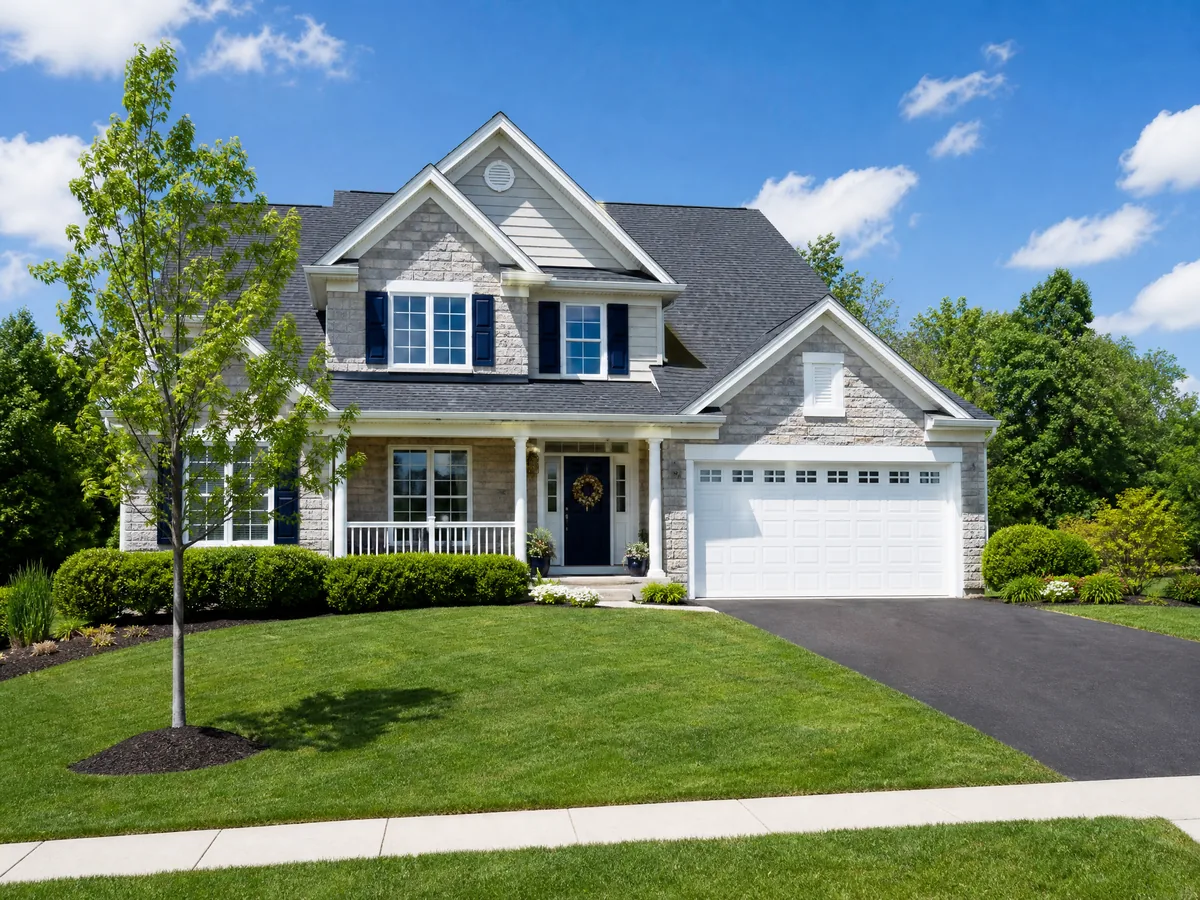
Conventional Investment in College Station, TX from USA Mortgage
Non-owner
occupied
30-yr
fixed avail.
80%
max LTV
Low
rates

Typical figures, subject to underwriting and market conditions. Not a commitment to lend.

How it works

For investors who qualify conventionally, this is usually the lowest-cost long-term money on a buy-and-hold. We help you weigh it against our DSCR and bank-statement programs so the loan matches your file and your goals.

Who it's for
Buy-and-hold investors
Non-owner-occupied 1-4 units
Borrowers who document income
Purchase or refinance
Typical terms
PropertyInvestment, non-owner-occ
Max leverageUp to 80% LTV
Term30-yr fixed / ARM
IncomeDocumented
CreditFrom 580
UsePurchase or refi
Apply now

*Typical terms, subject to underwriting and market conditions.

Run your Conventional Investment numbers.

Pressure-test the deal in seconds with our free dscr calculator, no sign-up required.

Open the DSCR calculator
Local FAQ

Conventional Investment in College Station, answered.

Is the College Station-Bryan market liquid enough for a conventional purchase or refinance?
Yes, and the labor market is part of why. Active listings ran 1,539 in July 2026, up 21.4% from a year earlier, so a small metro isn't a thin one right now. Unemployment was 3.5% in December 2025, the fourth-lowest of the 26 Texas metro areas, trailing only Amarillo, Midland, and San Angelo, a spread driven by a university payroll that doesn't cycle with housing the way a single-employer town does. That combination is what lets a documented-income conventional file clear underwriting here without the market itself being the risk.

Sources: fred.stlouisfed.org

The metro's median list price fell 6.3% year over year. Does that hurt my appraisal on a conventional loan?
Read the two numbers together, not the headline alone. The July 2026 median list price was $345,000, down 6.3% from $368,001 a year earlier, but Zillow's home value index for the metro was up 0.7% year over year to $316,593 as of June 2026. A falling median list price with a flat-to-rising value index points to mix, more lower-priced listings on the market, not a broad drop in what homes are actually worth. Don't underwrite to the headline decline; ask for the comp set on your specific address.

Sources: fred.stlouisfed.org, files.zillowstatic.com

Bryan runs about $277,011 and Hearne about $179,623. Does a lower purchase price run into a loan-size minimum?
It can, so confirm the number before you write the offer. We don't publish a blanket minimum for this program on this page. Send us the exact price and we'll tell you where it lands. It matters more here than in most Texas metros because the spread is real: College Station's mid-tier value was $349,845 in June 2026 against Bryan's $277,011, about 21% lower-cost on otherwise adjacent addresses, and Hearne's $179,623 is the low end of the eight cities we serve in this metro. A deep-value purchase in Hearne or Bryan has less room under a minimum than the same deal in College Station, so it's worth a call before you're under contract, not after.

Sources: files.zillowstatic.com

Does the College Station versus Bryan tax gap change what I can qualify for?
The lower-basis property still wins on the dollar amount, even at a higher rate. An investor's stack (no homestead exemption) runs about 1.91% of value in College Station (county 0.4197 plus city 0.511872 plus College Station ISD 0.9753 per $100) and about 1.99% in Bryan (county 0.4197 plus city 0.6240 plus Bryan ISD 0.9469 per $100). On documented income, that escrow line feeds directly into your qualifying ratio. Bryan's rate stack is slightly higher, but on a $277k Bryan purchase versus a $350k College Station purchase, the Bryan bill still runs roughly $1,150 a year lower. Confirm the exact parcel isn't inside a MUD or the Rock Prairie Management District, which adds a further levy the city rate alone won't show.

Sources: brazoscad.org, cstx.gov

When does conventional beat DSCR on a College Station rental, especially near campus?
Documented income can be the more defensible file when the local rent story is genuinely uncertain, and this metro is a clear example. Texas A&M student housing has 3,668 beds under construction as of the reporting cited below, more than 11% of existing off-campus inventory, landing while the university has announced a plan to slow enrollment growth over the next five to seven years. That combination puts real pressure on rent assumptions for a commodity rental competing against new, amenity-heavy supply, which is the number a DSCR loan leans on. A conventional loan qualifies on your documented income instead, so it doesn't carry that supply risk the same way. Walk-to-campus location and Bryan's lower basis still matter either way; send us the address and we'll run both programs side by side.

Sources: multihousingnews.com, theeagle.com

On Bryan's $277,011 mid-tier value, how much do I put down?
20% at the top of the range. Leverage runs up to 80% LTV on a non-owner-occupied purchase or refinance. On Bryan's $277,011 mid-tier value that is about $221,600 financed and $55,400 down (277,000 x 80% = 221,600); on College Station's $349,845 it is about $280,000 financed and $70,000 down (350,000 x 80% = 280,000). Budget the escrow line with it: an investor stack with no homestead exemption runs about 1.91% of value in College Station and about 1.99% in Bryan, and on a documented-income file that number feeds straight into your qualifying ratio. Subject to underwriting.

Sources: brazoscad.org, cstx.gov

Days on market ran 72 in July 2026. Is there time to fix a thin credit file?
Usually. This program starts at a 580 score, and you have room to pick the right one. The harder gate is paperwork, because conventional investment is a fully documented file: income is verified, returns included. If that is the part that does not work, DSCR and bank statement start at 640 and qualify off the property or off deposits instead, and the asset-based programs carry no minimum score at all. No hard credit pull to start. With active listings up 21.4% year over year, you have room to pick the right program before you are under contract. Subject to underwriting.

Sources: fred.stlouisfed.org

More Conventional Investment questions, answered on the program page

Resources

Guides for Conventional Investment

Browse all guides
More in College Station

Other programs in College Station

All College Station loan programs
About the local figures on this page

Local rules move. Every tax rate, fee, ordinance and market figure here comes from a primary source and carries the date we read it, and we correct them as the rules change. Where a number is mid-change or we could not verify it, we say so rather than guess. Before you commit a budget, confirm anything that drives it with the city or county, and talk to your attorney or CPA on questions of law or tax.

Published by USA Mortgage Funding, LLC, NMLS #152588. Researched from primary sources by our team, drafted with AI assistance, and every figure checked against its source before publishing. Where an answer rests on a public record, that record is linked under it. Figures read on 2026-08-12.

Funding College Station deals fast.

Get real terms, usually same day. No obligation, no hard credit pull to start.

Apply nowTalk to us