
Direct private lending in most states
Call us anytime at 512-617-9400
Apply now
Program 04

CRE Bridge in San Bernardino

Commercial bridge loans for San Bernardino County repositioning and buyouts.

Access equity or finance a project before permanent financing. Flexible commercial bridge across property types, with terms up to 24-36 months and loan sizes up to $10M. San Bernardino County's commercial stock is concentrated in logistics and industrial, and the Legislature named more of this county's cities in AB 98's warehouse concentration region than any other jurisdiction's. When we refinance you out of the bridge, we place the permanent debt in house too, so you have a clear exit from day one. Business-purpose only, and every structure is set in underwriting.
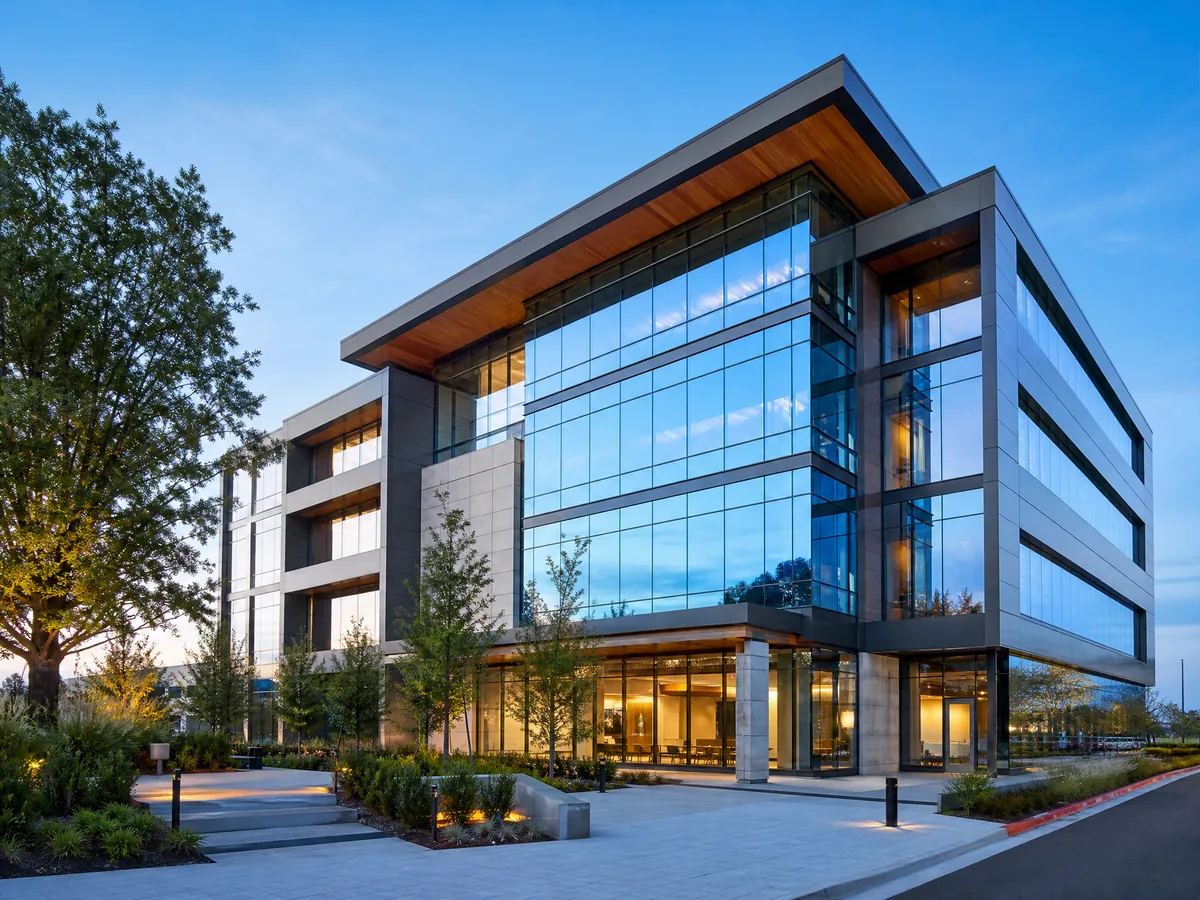
CRE Bridge in San Bernardino, CA from USA Mortgage
$10M
max loan
24-36 mo
terms
All types
property
Cash-out
available

Typical figures, subject to underwriting and market conditions. Not a commitment to lend.

How it works

Use bridge capital to reposition an asset, buy out a partner, or stabilize before a refinance. We move quickly on commercial deals that banks find too time-sensitive. When the asset is stabilized, we refinance you out of the bridge and into long-term permanent debt, which we also place in house, so you have a clear exit from day one.

Who it's for
Value-add commercial real estate
Repositioning and lease-up
Partner buyouts
Pre-stabilization holds
Typical terms
Loan amountUp to $10M
Max leverageUp to 75% LTV
TermUp to 24 to 36 months
RateFrom 9.00%*
PaymentsInterest-only
StructureBridge or cash-out
Apply now

*Typical terms, subject to underwriting and market conditions.

Run your CRE Bridge numbers.

Pressure-test the deal in seconds with our free bridge loan calculator, no sign-up required.

Open the Bridge Loan calculator
Local FAQ

CRE Bridge in San Bernardino, answered.

Which commercial property types define the San Bernardino County market?
Logistics and industrial, and the Legislature wrote that into statute. It named eight of San Bernardino County's cities, Chino, Colton, Fontana, Ontario, Rancho Cucamonga, Redlands, Rialto and San Bernardino, among the twelve cities in AB 98's "warehouse concentration region," the statute's own term for where distribution buildings concentrate. Ontario International Airport is the physical hub of that trade. Outside logistics, the Redlands-Loma Linda corridor carries a health care and education anchor, though no employer headcounts for that corridor have been published. No countywide industrial vacancy, absorption or cap-rate figure has been published either, so a bridge request here is underwritten off the specific asset and its leases, not a market survey.
Why does an existing San Bernardino County industrial building need bridge capital instead of building new?
Because state law now protects a building that already exists more than one that has yet to be entitled. Since January 1, 2026, a logistics use on non-industrial or newly rezoned land inside the warehouse concentration region has to set its truck loading bays 500 feet back from the nearest sensitive receptor. A logistics use already operating as of September 30, 2024 keeps its existing position even if a new sensitive receptor is built nearby later (Gov. Code section 65098.1.5). Repositioning, buying out a partner, or stabilizing that kind of already-conforming building is a materially different underwriting question from entitling a new one on an adjacent parcel, and it is exactly the kind of asset our bridge product is built to move quickly on. See the CRE bridge program.
Does the growth at Ontario International Airport support bridge lending on nearby cargo and logistics buildings?
There is a real airport-adjacent submarket, but the 2025 numbers argue for caution, not a freight boom narrative. Ontario International handled 835,129 tons of air cargo in 2025, up 5.3% over the prior year, but freight itself fell 3.6% to 700,809 tons while U.S. mail volume rose 101.3% to 134,319 tons, with the airport crediting greater mail carried by UPS Airlines. Passenger counts grew only 0.4%. A cargo-handling or mail-sortation building near the airport is a genuine bridge and reposition candidate, but no county-specific industrial vacancy, absorption or cap-rate figure has been published to size it against, so the file is underwritten off the asset's own leases and tenant credit.
If my San Bernardino County collateral sits in a Mello-Roos district, does the special tax apply differently to a commercial or non-residential building?
Yes, non-residential parcels in at least one county district carry their own separate maximum, and it runs with the land regardless of who owns it. The County's own Community Facilities District 2006-1 (Lytle Creek North) set a Special Tax A maximum and actual rate of $277.05 per residential unit for fire protection in fiscal year 2024-2025, with a separate non-residential maximum of $1,759.76 per acre for commercial and other non-residential parcels in the same district that year. That maximum escalates each July 1 by the Consumer Price Index, with a floor of 2% and a cap of 4% a year, so it does not sit still even in a flat-CPI year. No per-parcel CFD figures have been published for any Fontana, Chino, Ontario, Victorville or Hesperia district, so pull the parcel's own secured tax bill by APN before you size a bridge against a commercial asset in a CFD.
If a San Bernardino County CRE bridge loan goes to default, how does California foreclosure work?
Non-judicial trustee sale, with a statutory floor of roughly four months from notice of default to sale, and no deficiency claim against the borrower once that sale happens. California Civil Code section 2924 requires at least three months between filing the notice of default and any notice of sale, then a further notice period of at least 20 days before the sale itself, putting the honest floor at about 111 to 120 days. Under CCP section 580d, once the trustee sale occurs no deficiency judgment can be rendered against the borrower on that debt, though the statute does not shield a guarantor. A lender can instead pursue judicial foreclosure to preserve a deficiency claim, at the cost of a lawsuit and a post-sale redemption period. Talk to your attorney about which track fits your structure.
How much equity do I have to leave in a San Bernardino County bridge deal?
At least 25% of value. We go to up to 75% LTV, up to $10,000,000, interest-only, on a purchase, a bridge or a cash-out. On a $4,000,000 San Bernardino County asset that is up to $3,000,000 from us with $1,000,000 of equity staying in the deal (4,000,000 x 75% = 3,000,000). On a building already protected under AB 98's grandfather clause, that cash-out leg can fund a reposition without giving up the site's existing entitlement position. Subject to underwriting.
FAQ

CRE Bridge questions, answered.

What can a commercial bridge loan be used for?
Bridge capital is for repositioning or stabilizing a commercial property before permanent financing: value-add, lease-up, a partner buyout, or pulling equity out through a cash-out. We lend across property types on terms up to 24 to 36 months, with loans up to $10M.
What rates, leverage, and terms should I expect?
Our commercial bridge pricing starts around 9%, interest-only, up to roughly 75% loan-to-value, on terms up to 24 to 36 months. Published bridge pricing generally runs 8% to 12% with 1 to 3 points. Final terms depend on the asset, the business plan, and sponsor strength.
How fast can a commercial bridge loan close?
Commercial deals usually close in 2 to 4 weeks. They take a little longer than residential because of the appraisal, the rent roll and operating-statement review, and any third-party reports. We move as fast as the diligence allows and keep one point of contact on your file.
Do I need positive cash flow (DSCR) to qualify?
Not necessarily at closing. Bridge loans are often underwritten interest-only to the as-stabilized business plan rather than a minimum in-place DSCR, since the property is being repositioned. We do want to see a credible path to stabilization and enough in-place income or reserves to carry the loan.
What documents do you need for a commercial bridge request?
Typically the purchase contract or current debt, a rent roll and trailing-12-month operating statement, your business plan and renovation budget, and sponsor financials. Larger assets may also need a property condition report and an environmental review. We will give you a clear checklist up front.
Is the loan recourse, and is cash-out available?
Most bridge loans are recourse with a personal guarantee, while lower-leverage non-recourse can be possible on stronger assets. Cash-out is available when there is equity to support it. We structure recourse and leverage around the specific deal.
See all frequently asked questions
Resources

Guides for CRE Bridge

Browse all guides
Compare

CRE Bridge vs. other options

More in San Bernardino

Other programs in San Bernardino

All San Bernardino loan programs
About the local figures on this page

Local rules move. Every tax rate, fee, ordinance and market figure here comes from a primary source and carries the date we read it, and we correct them as the rules change. Where a number is mid-change or we could not verify it, we say so rather than guess. Before you commit a budget, confirm anything that drives it with the city or county, and talk to your attorney or CPA on questions of law or tax.

Funding San Bernardino deals fast.

Get real terms, usually same day. No obligation, no hard credit pull to start.

Apply nowTalk to us