
Direct private lending in most states
Call us anytime at 512-617-9400
Apply now
Program 07

Conventional Investment in Springfield

Conventional investment property loans for buy-and-hold investors in Springfield, Missouri.

Conventional financing for non-owner-occupied investment property in Springfield, Missouri, up to 80% LTV on a 30-year fixed or ARM, with documented income and credit from 580. It works well across this metro because every price point here clears conforming loan limits, so the structure never runs into jumbo territory on either end of the market. We weigh it against our DSCR and bank-statement programs case by case, so you take the option that actually fits your file. Business-purpose loans only, to an entity holding non-owner-occupied property, subject to underwriting.
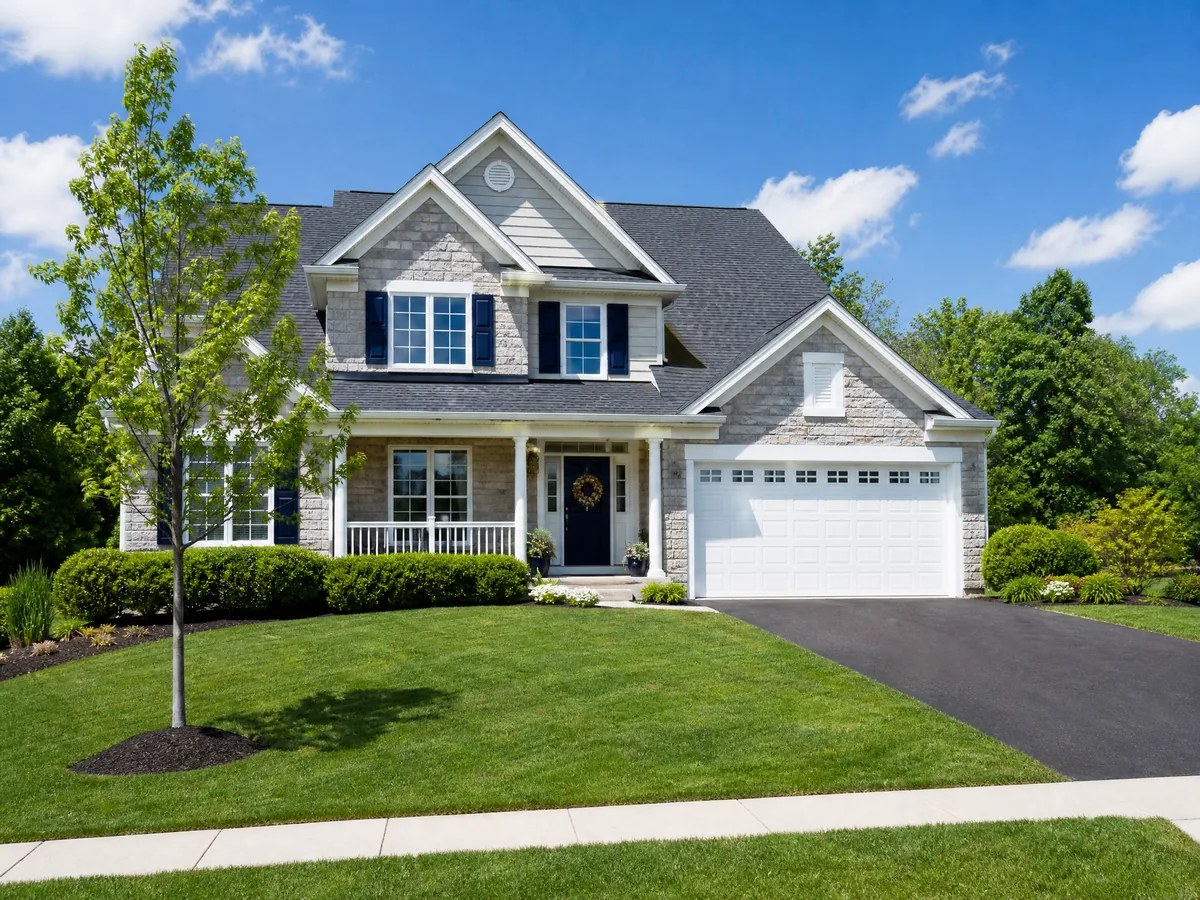
Conventional Investment in Springfield, MO from USA Mortgage
Non-owner
occupied
30-yr
fixed avail.
80%
max LTV
Low
rates

Typical figures, subject to underwriting and market conditions. Not a commitment to lend.

How it works

For investors who qualify conventionally, this is usually the lowest-cost long-term money on a buy-and-hold. We help you weigh it against our DSCR and bank-statement programs so the loan matches your file and your goals.

Who it's for
Buy-and-hold investors
Non-owner-occupied 1-4 units
Borrowers who document income
Purchase or refinance
Typical terms
PropertyInvestment, non-owner-occ
Max leverageUp to 80% LTV
Term30-yr fixed / ARM
IncomeDocumented
CreditFrom 580
UsePurchase or refi
Apply now

*Typical terms, subject to underwriting and market conditions.

Run your Conventional Investment numbers.

Pressure-test the deal in seconds with our free dscr calculator, no sign-up required.

Open the DSCR calculator
Local FAQ

Conventional Investment in Springfield, answered.

Are Springfield's home prices too low for conventional investment financing to make sense?
No. Every city in this metro sits comfortably inside conforming loan limits, from Springfield's own entry price up through Rogersville at the high end. That range runs from about $246,969 in Springfield to $332,488 in Rogersville as of July 2026, and it never approaches the point where a lender needs a jumbo overlay or a non-conforming structure. A conventional 30-year loan works the same way on a Springfield starter rental as it does on a higher-priced Rogersville property.
Does any city in the Springfield metro require jumbo financing instead of a standard conventional loan?
Not among the eight cities this metro covers. Rogersville, the highest-priced city in the set at $332,488, and Nixa and Ozark in Christian County both above $300,000, still clear conforming limits, the same as Springfield's lower entry price. An investor buying anywhere in this metro can use the same conventional structure without switching to jumbo terms as the price point rises.
When does conventional investment financing beat a DSCR loan for a Springfield rental?
When your entity can document income cleanly and you want the lowest long-term cost, not the fastest close. Conventional financing here is often the lowest-cost long-term money on a buy-and-hold, in exchange for full documentation rather than a debt-service calculation. Republic and Nixa carry this metro's best gross rental yields, so a file that qualifies both ways is common here; the choice usually comes down to whether you can document income at the entity level or would rather qualify on the property's cash flow instead.
Can an LLC use conventional investment financing on a Springfield rental, or does that trigger Missouri's residential mortgage licensing?
A business-purpose loan to an LLC on non-owner-occupied property falls outside Missouri's residential mortgage licensing definition entirely. Missouri licensing turns on loan purpose and, under the older statute, on a natural-person borrower, not on the property type. A conventional investment loan to a company on a Springfield rental is not a residential mortgage loan under either definition, so it is not gated by that licensing regime. Talk to your attorney or CPA about how your specific entity structure is treated.
Does Springfield's property tax rate matter for a 30-year conventional hold?
Yes, and it is one of the more predictable numbers you will underwrite. On Greene County's 2025 certified levies, an investor inside Springfield city limits pays under one percent of market value a year in property tax, with no exemption of any kind, because Springfield carries the metro's lowest school levy and runs its own fire department instead of stacking a separate fire-district levy. Over a 30-year fixed term, that lower, stable tax line is worth building into your carrying-cost model from day one, not just at closing.
Does buying in Nixa or Ozark instead of Springfield change the math on a conventional loan?
The loan structure stays conventional either way, but the carrying costs do not. Nixa and Ozark sit in Christian County, not Greene, with their own collector and a materially higher school levy than Springfield R-12. On the 2025 levies, the Nixa school levy alone runs about $497 a year more on a $325,000 house than the Springfield R-12 levy charges on the same value. That gap belongs in your holding-cost comparison before you pick a city, even though the financing itself does not change.
FAQ

Conventional Investment questions, answered.

What is a conventional investment property loan?
It is standard, competitively priced financing for a non-owner-occupied investment property, the long-term loan you take when your file fits the conventional box. It usually carries a lower rate than a bridge or DSCR loan, in exchange for full documentation.
How is it different from a DSCR loan?
A conventional loan qualifies on your documented personal income and credit, while a DSCR loan qualifies on the property's rent. Conventional pricing is often lower if you can document your income and you are within the limit on financed properties; DSCR is easier to scale and skips the income docs. We compare both and put you in the one that fits.
How much do I need to put down?
Plan on roughly 20% to 25% down on an investment-property purchase, with the best pricing at lower leverage and higher credit. Cash-out refinances are typically capped a bit lower than purchases.
What credit score do I need?
Conventional investment financing generally wants a credit score around 580 or higher, and your rate improves meaningfully as your score and reserves go up. We will tell you up front where your file lands.
What can I use it for?
Purchases, rate-and-term refinances, and cash-out refinances on non-owner-occupied 1-4 unit investment property. If you will live in the property, that is owner-occupied financing, which we refer to a trusted partner rather than originate here.
What documents are required?
Because it is fully documented, expect to provide income verification, tax returns, bank statements, and the standard conventional paperwork. If that documentation is a hurdle, our DSCR and bank-statement programs are the no-tax-return alternatives.
See all frequently asked questions
Resources

Guides for Conventional Investment

Browse all guides
More in Springfield

Other programs in Springfield

All Springfield loan programs
About the local figures on this page

Local rules move. Every tax rate, fee, ordinance and market figure here comes from a primary source and carries the date we read it, and we correct them as the rules change. Where a number is mid-change or we could not verify it, we say so rather than guess. Before you commit a budget, confirm anything that drives it with the city or county, and talk to your attorney or CPA on questions of law or tax.

Funding Springfield deals fast.

Get real terms, usually same day. No obligation, no hard credit pull to start.

Apply nowTalk to us