
Direct private lending in most states
Call us anytime at 512-617-9400
Apply now
Program 10

SBA Financing in Waxahachie

SBA financing for Waxahachie business owners buying their building.

When a deal calls for long-term, government-backed financing, we place SBA 7(a) and 504 loans through relationships with more than 20 SBA lenders, matching your scenario to the right program. Financing runs up to 90% of the project on terms up to 25 years, from $350K to $5M and up. Ellis County's owner-occupied base runs from Midlothian's cement and steel plants to Waxahachie's downtown storefronts, and both bring their own local wrinkles to a 504 file. Business-purpose only, and every structure is set in underwriting.
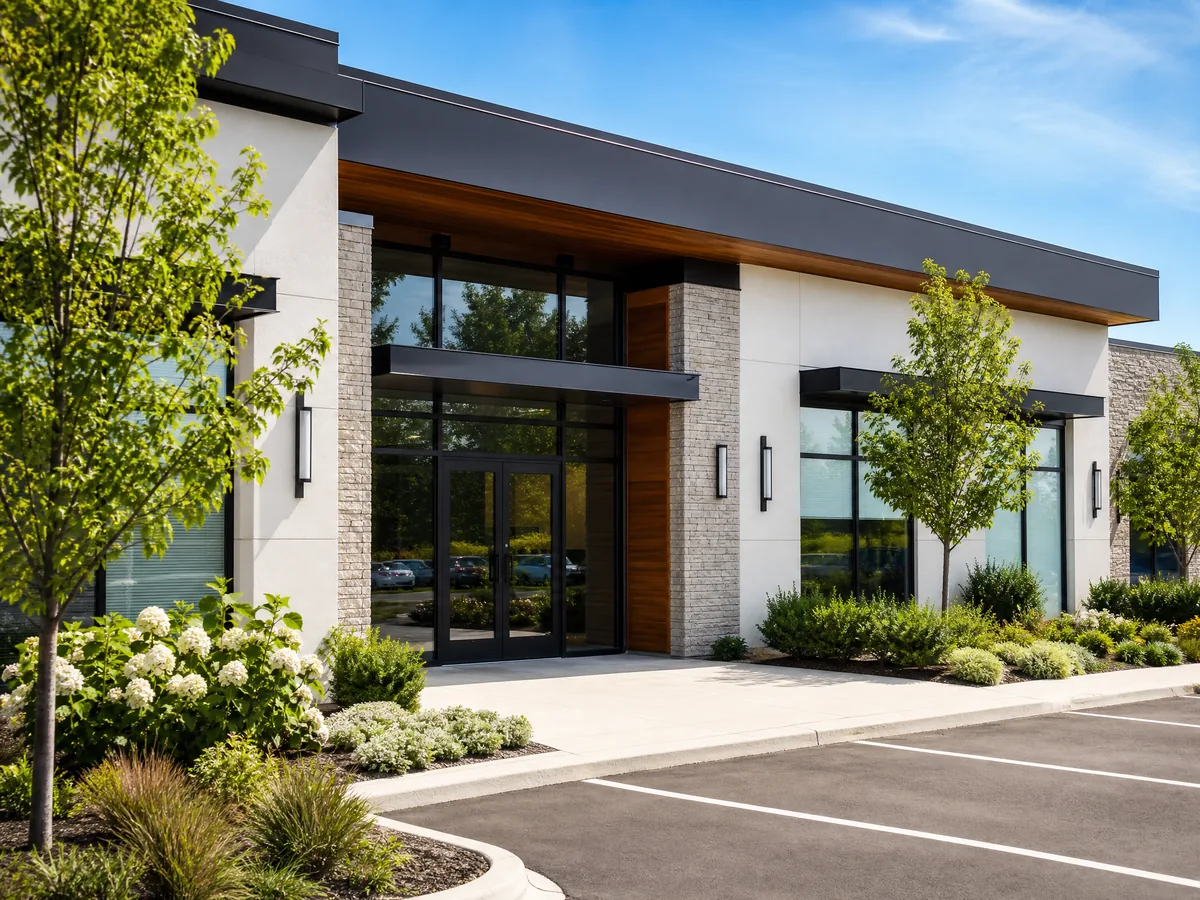
SBA Financing in Waxahachie, TX from USA Mortgage
7(a) & 504
programs
90%
financing
25-yr
terms
20+
SBA lenders

Typical figures, subject to underwriting and market conditions. Not a commitment to lend.

How it works

SBA loans offer low down payments and long amortizations for owner-occupied property and business acquisition. USA Mortgage arranges and places SBA financing through our network of partner lenders; we are not ourselves an SBA lender. We shop your file across that network so you get the strongest approval.

Who it's for
Owner-occupied commercial RE
Business acquisition
Real estate plus equipment
Partner or stock buyout
Typical terms
Loan amount$350K to $5M+
FinancingUp to 90%
TermUp to 25 years
RateMarket SBA rates
PropertyOwner-occupied CRE
Programs7(a) and 504
Apply now

*Typical terms, subject to underwriting and market conditions.

Run your SBA Financing numbers.

Pressure-test the deal in seconds with our free sba loan calculator, no sign-up required.

Open the SBA Loan calculator
Local FAQ

SBA Financing in Waxahachie, answered.

Is there enough owner-occupied business demand in Ellis County to support an SBA purchase?
Yes, and it runs on two different local economies, not one. Ellis County grew from a 2020 census count of 192,455 to roughly 240,900 in 2025, about 25% in five years, which is the kind of growth that needs new professional offices and service space to lease or own. Midlothian carries the county's genuine heavy-industrial base: three cement plants, Ash Grove, Holcim and the former TXI plant now run by Martin Marietta, plus a Gerdau steel mill. That is a real base of contractors, fabricators and suppliers who are natural owner-occupied 504 borrowers, not a suburban office story. Employment counts for the plant cluster come from secondary reporting only, so we do not publish a headcount; confirm a specific employer's payroll yourself before using it in underwriting.
How do Waxahachie's development fees affect an SBA 504 ground-up or expansion project?
They land at the front of your draw, not spread across it. Waxahachie charges roadway impact fees at building permit issuance and water and wastewater impact fees at water meter issuance, both ahead of a certificate of occupancy. On top of that, the city's fee schedule adds a site plan review fee of $500, a zoning district change of $500 plus $10 per acre, and a plat fee of $500 plus $10 per lot, plus an uncapped $2,500 consultant review deposit at plat submission that is trued up to actual cost at final plat approval. Budget that stack into your project cost before you set your SBA loan amount, since none of it is financed by the loan itself.
If I want to buy an existing building in downtown Waxahachie, does the historic overlay change my SBA project?
It can add a review step before your permit issues, on top of the SBA's own occupancy test. Waxahachie's Downtown Historic Overlay and Oldham Avenue Historic Overlay both require a Certificate of Appropriateness from the Heritage Preservation Commission before a building permit issues for any alteration, restoration or new construction, so a storefront renovation inside either district clears that commission review ahead of the permit. Separately, SBA rules require you to occupy at least 51% of an existing building's square footage as of the date of the loan (13 CFR 120.131); the occupancy test and the historic review are two different requirements, and both have to clear. Outside the two overlay districts, standard permitting applies.
What SBA district office covers an Ellis County business, and does that matter?
Ellis County falls under the SBA Dallas/Fort Worth District Office's North Texas territory, though that has not been separately verified county by county. The district office covers a large multi-county footprint rather than issuing loans directly, since SBA loans are made by partner lenders and only guaranteed by the SBA. What matters more day to day is which lender in our network already knows Ellis County's fee schedule, tax stack and historic-overlay rules, since that local familiarity moves a 504 or 7(a) file faster than the district boundary does.
Does it matter which Ellis County city my SBA property sits in for property taxes?
Yes, the stack can differ by nearly half a point of assessed value from one city to the next. Combined county, city and school district rates for 2025 range from 1.7066 per $100 in Maypearl up to 2.1699 in Ennis, with Waxahachie itself at 2.0521 and Midlothian at 1.9948. On a $500,000 owner-occupied building, that spread between Maypearl and Ennis works out to about $2,317 a year in tax (500,000 / 100 x 0.4633 = 2,316.50). Pull the specific parcel's rate, since a mailing address in one city does not guarantee that city's tax jurisdiction here, and talk to your CPA about how that fits your occupancy cost.
Could a PID or MUD assessment add to the cost of a new-build SBA 504 project in Ellis County?
Yes, if your lot sits inside one of the county's more than twenty improvement districts. The Ellis County Tax Office's PID sheet lists districts such as the Waxahachie PID No. 1 phases, North Grove PID and several Ferris and Ennis PIDs with an "N/A" in the rate column, which means the cost is a per-lot assessment rather than an ad valorem rate, and it is still an annual bill on that parcel. Other overlays, like a MUD, carry a stated rate that can run as high as 1.00 per $100 on top of the regular county, city and school stack. Confirm with the Ellis County Appraisal District whether your specific lot carries one of these overlays before you finalize a 504 project budget.
FAQ

SBA Financing questions, answered.

What is the difference between an SBA 7(a) and a 504 loan?
The 7(a) is the flexible, all-purpose SBA loan: owner-occupied real estate, business acquisition, partner buyouts, equipment, and working capital under one note. The 504 is purpose-built for owner-occupied commercial real estate and heavy equipment, with a long-term fixed rate and a low down payment. We place both and match your scenario to the right one.
How much can I borrow, and how much do I put down?
SBA loans go up to $5M, with larger total project sizes possible on the 504 since a bank funds part of the deal. Down payments are low, often around 10%, rising to 15% to 20% for startups or special-purpose properties. On the right deal we finance up to 90%.
What are the terms and rates?
Terms run up to 25 years for real estate, which keeps payments low. 7(a) rates are usually variable and tied to the Prime rate, while the 504 carries a long-term fixed rate on the CDC portion. Because we place your file across 20+ SBA lenders, we shop your scenario for the strongest terms.
Do I have to occupy the property?
Yes. SBA real estate loans require owner-occupancy, at least 51% of an existing building or 60% of new construction. That requirement is what separates SBA-eligible deals from pure investment property, which fits our other programs.
Do I have to personally guarantee an SBA loan?
Yes. The SBA requires a personal guarantee from anyone who owns 20% or more of the business, and on real-estate deals the loan is also secured by the property. This is standard on every SBA loan, not a sign of a weak file, and it is part of why SBA financing offers low down payments and long terms. We will walk you through exactly what you are signing before you commit.
How long does an SBA loan take to close?
SBA loans are slower than our bridge products, typically 30 to 90 days, because of the documentation and approval process. The tradeoff is a much lower long-term cost. If you need speed now, we can bridge the deal and refinance into SBA later.
What do you need to get started?
Generally two to three years of business and personal tax returns, business financials, a personal financial statement, and details on the property or business. We will tell you exactly what is needed and place your file with the best-fit lender in our network.
See all frequently asked questions
Resources

Guides for SBA Financing

Browse all guides
Compare

SBA Financing vs. other options

More in Waxahachie

Other programs in Waxahachie

All Waxahachie loan programs
About the local figures on this page

Local rules move. Every tax rate, fee, ordinance and market figure here comes from a primary source and carries the date we read it, and we correct them as the rules change. Where a number is mid-change or we could not verify it, we say so rather than guess. Before you commit a budget, confirm anything that drives it with the city or county, and talk to your attorney or CPA on questions of law or tax.

Funding Waxahachie deals fast.

Get real terms, usually same day. No obligation, no hard credit pull to start.

Apply nowTalk to us