Direct private lending in most states
Call us anytime at 512-617-9400
Apply now
Program 07

Conventional Investment in Greensboro

In Greensboro, conventional investment property loans for buy and hold.

Standard, competitively priced financing for non-owner-occupied investment property when your file fits the box. Often the lowest-cost option for a long-term hold, in exchange for full documentation. Guilford and Forsyth Counties run on different reappraisal clocks, so never blend the two. We'll compare it against DSCR so you take the structure that fits; business-purpose only, subject to underwriting.
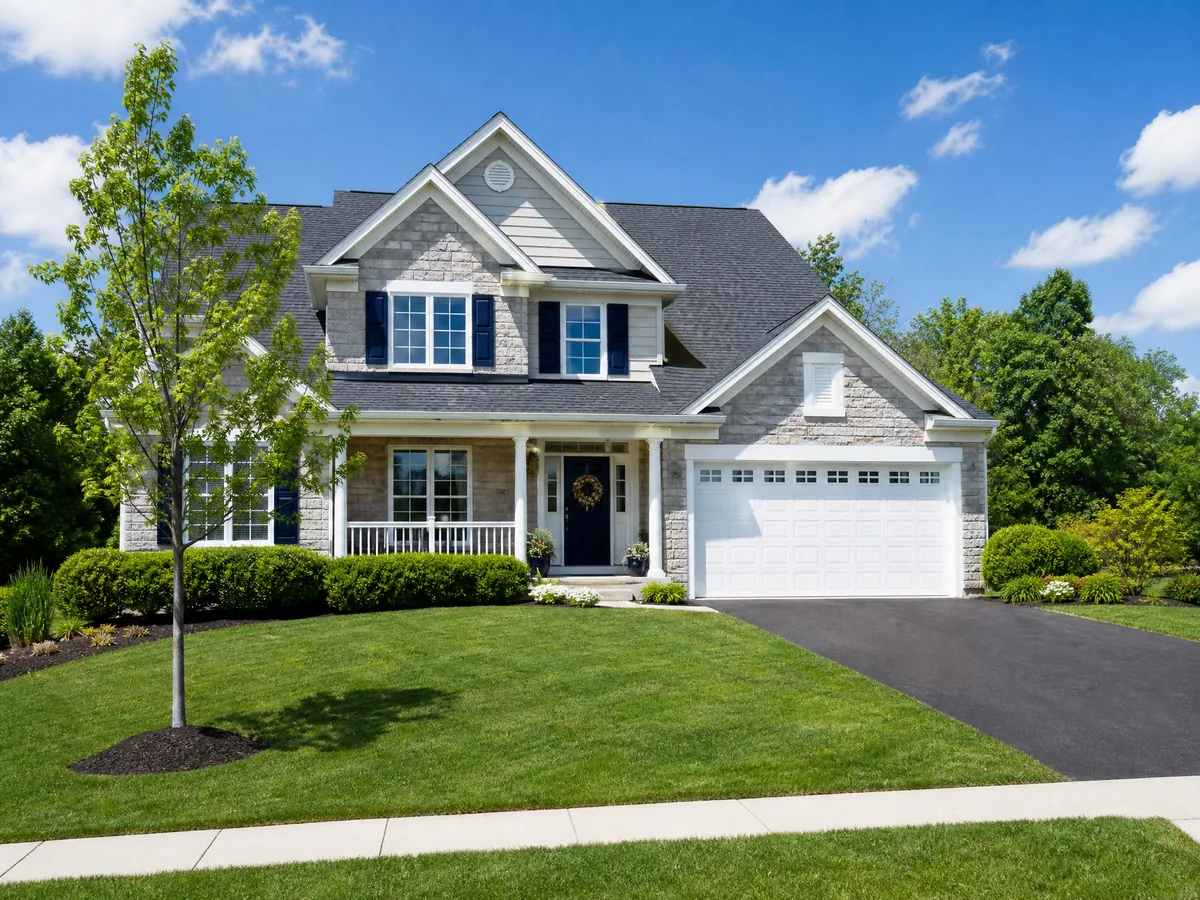
Conventional Investment in Greensboro, NC from USA Mortgage
Non-owner
occupied
30-yr
fixed avail.
80%
max LTV
Low
rates

Typical figures, subject to underwriting and market conditions. Not a commitment to lend.

How it works

For investors who qualify conventionally, this is usually the lowest-cost long-term money on a buy-and-hold. We help you weigh it against our DSCR and bank-statement programs so the loan matches your file and your goals.

Who it's for
Buy-and-hold investors
Non-owner-occupied 1-4 units
Borrowers who document income
Purchase or refinance
Typical terms
PropertyInvestment, non-owner-occ
Max leverageUp to 80% LTV
Term30-yr fixed / ARM
IncomeDocumented
CreditFrom 580
UsePurchase or refi
Apply now

*Typical terms, subject to underwriting and market conditions.

Run your Conventional Investment numbers.

Pressure-test the deal in seconds with our free dscr calculator, no sign-up required.

Open the DSCR calculator
Local FAQ

Conventional Investment in Greensboro, answered.

Greensboro and Winston-Salem homes run well under $300,000. Does that make it harder to get a conventional loan sized right?
Usually not, and the price point works in your favor here. Zillow's mid-tier home value for June 2026 was $266,364 in Greensboro, $267,668 in Winston-Salem, and $252,160 in High Point, comfortably inside a routine conventional investor loan size for us. Where loan size can get tight is a smaller flip-and-hold on a distressed property well under those numbers, or a refinance on a paid-down balance, because fixed underwriting and closing costs don't shrink with the price tag. See conventional investment terms or talk to us with your purchase price and we'll tell you straight where it lands.
My Guilford County tax bill looks unchanged this year. Will it jump when I go to refinance?
Plan for it to move, because the flat bill is a one-year freeze, not a new normal. North Carolina's SB 889 moratorium froze Guilford County's 2026 tax bills at the prior 2025 values after the county's scheduled reappraisal was caught by the law; the 2026 reappraisal values apply starting with the 2027 bill instead. Guilford's own published numbers show the gap: an estimated revenue-neutral rate of 58.54 cents per $100 on the 2026 values against an adopted FY2027 rate of 78.95 cents, roughly 35% above revenue-neutral if the county holds that rate flat into 2027. Underwrite the coming escrow line, not just the current one, on a Guilford purchase. See conventional investment terms and confirm any specific parcel's timeline with your closing attorney.
Is a Winston-Salem rental's tax bill really a third less than an identical one in Greensboro?
No, and that nominal gap is misleading rather than a real discount. The published stacks show Greensboro at 1.588 per $100 (Guilford County plus city) against Winston-Salem at 1.143 (Forsyth County plus city), but the two counties are valuing property on different clocks: Guilford's 2026 bills still carry pre-2026-reappraisal values under the state moratorium, while Forsyth's 2025 reappraisal is already baked into its bills. Set Guilford's own revenue-neutral estimate of 58.54 cents against Forsyth's 55.40-cent county rate and the real gap is closer to 3 cents than 24. Never let a Guilford and Forsyth number get blended into one Triad average; price each county's stack on its own terms.
Does North Carolina's state income tax or franchise tax change how I hold a Greensboro rental?
North Carolina's flat individual income tax is falling to 3.99% for 2026, and a standard investor LLC doesn't owe franchise tax at all. If you hold Greensboro or Winston-Salem rental income personally, or through an LLC taxed as a partnership or disregarded entity, the standard structure behind a conventional investment loan, North Carolina's franchise tax, which applies to corporations, does not reach you unless you elect corporate treatment. Combined with the mid-tier price points across the eight Triad cities we serve, from $242,141 in Thomasville to $392,201 in Clemmons, the hold math here starts from a lower basis and a falling flat state tax rate. Confirm your entity's specific filing obligations with your North Carolina CPA.
Greensboro is a majority-renter city. Should I finance a Guilford County rental with conventional or DSCR?
If your documented income supports the file, conventional is usually the lower long-term cost, and the rental demand backing the deal is real. Just over half of Greensboro's occupied housing units, 50.2%, are renter-occupied per 2024 Census data, a legitimate consequence of two large universities and a large service and logistics workforce. That demand is exactly what makes a DSCR loan pencil reliably here too, since it qualifies on the property's rent rather than your tax returns. If your income clears a full-documentation file on its own, conventional financing is typically the lower-cost structure at this metro's price points. Send us the address and both sets of numbers and we'll run them side by side.
What credit score do I need for a conventional investment loan in Greensboro?
This program starts at 580, the lowest floor of any of our documented programs. The trade is documentation: conventional investment financing is a fully documented file, so income is verified rather than inferred. For comparison, a Greensboro DSCR file starts at 640 and qualifies on the property's rent instead, and our asset-based programs carry no minimum score at all. There is no hard credit pull to start a conversation. Subject to underwriting.
How much do I put down on a Greensboro conventional investment purchase?
At least 20%. Leverage runs up to 80% LTV on non-owner-occupied property, so on a $265,000 Greensboro purchase, near the city's $266,364 mid-tier home value in June 2026, that is up to $212,000 from us and $53,000 from you (265,000 x 80% = 212,000). Terms are 30-year fixed or ARM for a purchase or a refinance. Budget the escrow line off the coming Guilford bill rather than the frozen one. Subject to underwriting.

More Conventional Investment questions, answered on the program page

Resources

Guides for Conventional Investment

Browse all guides
More in Greensboro

Other programs in Greensboro

All Greensboro loan programs
About the local figures on this page

Local rules move. Every tax rate, fee, ordinance and market figure here comes from a primary source and carries the date we read it, and we correct them as the rules change. Where a number is mid-change or we could not verify it, we say so rather than guess. Before you commit a budget, confirm anything that drives it with the city or county, and talk to your attorney or CPA on questions of law or tax.

Published by USA Mortgage Funding, LLC, NMLS #152588. Researched from primary sources by our team, drafted with AI assistance, and every figure checked against its source before publishing. Where an answer rests on a public record, that record is linked under it. Figures read on 2026-08-13.

Funding Greensboro deals fast.

Get real terms, usually same day. No obligation, no hard credit pull to start.

Apply nowTalk to us