
Direct private lending in most states
Call us anytime at 512-617-9400
Apply now
Program 03

Ground-Up Construction in Seattle

Ground up construction loans for Seattle's newly upzoned residential lots.

Built for spec home builders and developers. We fund the land and the vertical build up to 70% LTV and 85% of cost, with draws that keep pace with the job. A citywide zoning change now allows multiple units by right on every Neighborhood Residential lot in Seattle, reopening infill sites that were single-family-only for decades. Business-purpose only, and every structure is set in underwriting.
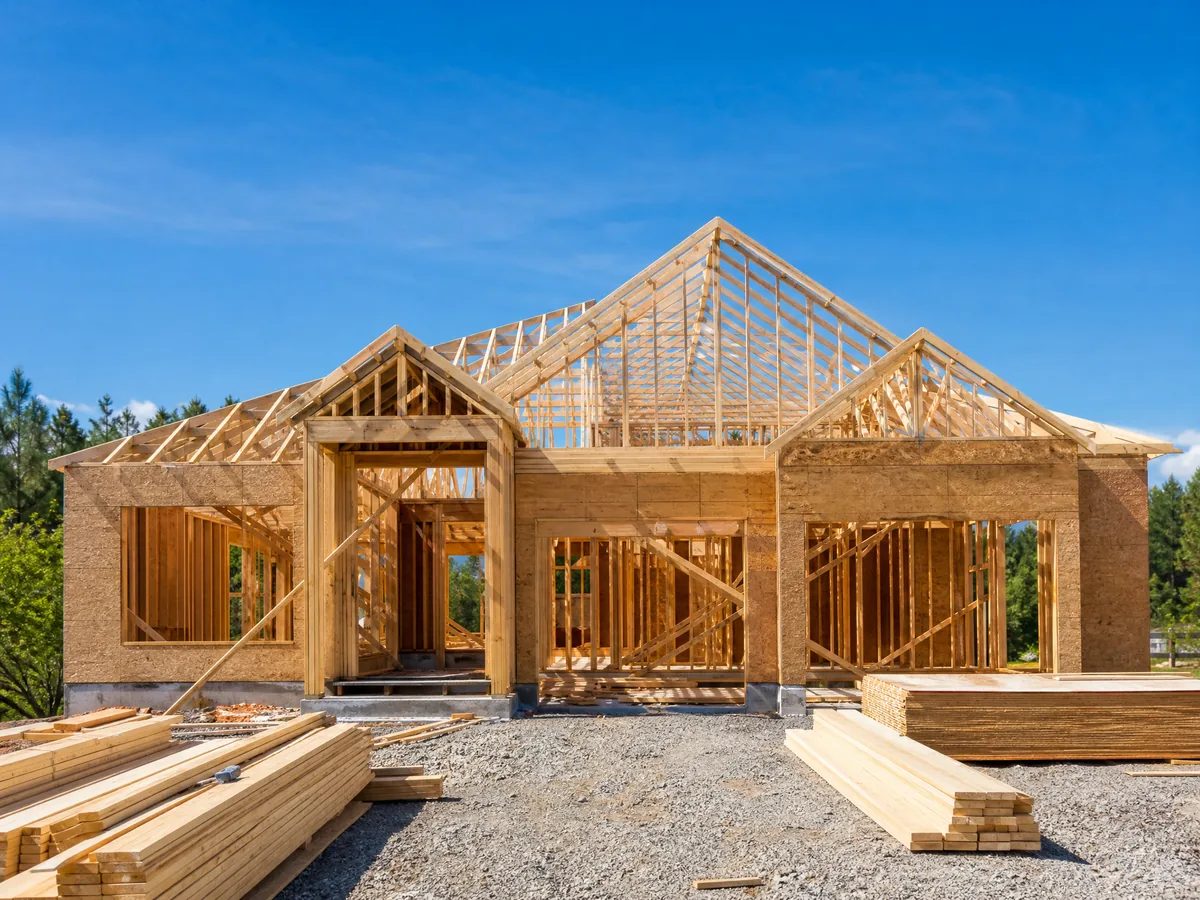
Ground-Up Construction in Seattle, WA from USA Mortgage
70%
max LTV
85%
of cost
Most states
funding
$5M
max loan

Typical figures, subject to underwriting and market conditions. Not a commitment to lend.

How it works

We finance both the land and the vertical construction, with a draw schedule built around your timeline. Experienced builders can access higher leverage on cost.

Who it's for
Spec home builders
Developers and operators
Lot purchase or teardown
Build-to-rent strategies
Typical terms
Loan amountUp to $5M
LeverageUp to 70% LTV / 85% LTC
Term12 to 24 months
DrawsPer build schedule
RateFrom 10.00%*
UseSpec or build-to-rent
Apply now

*Typical terms, subject to underwriting and market conditions.

Run your Ground-Up Construction numbers.

Pressure-test the deal in seconds with our free construction loan calculator, no sign-up required.

Open the Construction Loan calculator
Local FAQ

Ground-Up Construction in Seattle, answered.

What exactly did Seattle's zoning change allow, and when did it take effect?
Every Neighborhood Residential lot in Seattle now allows at least four units by right, six near a major transit stop, effective January 21, 2026. Council Bill 120993 replaced the old single-family-only zoning citywide, implementing the state's HB 1110 middle-housing mandate. A stacked-flats bonus goes further: at 1.8 FAR and 60% lot coverage, the City's own summary says a typical lot can support nine units. Lots that were legally capped at one house for decades are now development sites, and that repricing is the reason this program leads the Seattle lineup.
Does the new zoning also remove Seattle's parking requirements?
Yes, in the areas where it matters most for a spec build. Off-street parking is no longer required in frequent-transit areas or for any dwelling unit under 1,200 square feet, and elsewhere the requirement dropped from one space per unit to one per two units; ADUs never require parking. That change removes the site-plan constraint that made a lot of small Seattle infill lots pencil poorly, and it is part of the same Council Bill 120993 package.
Are there fees tied to the upzone I need to budget for?
Yes, and they rise every year, so do not underwrite last year's schedule. Where a Council-approved rezone increased height or FAR, Mandatory Housing Affordability payments apply, and the parallel Incentive Zoning payment for extra floor area is CPI-escalated annually. Both schedules are published by the City and updated each cycle, so confirm the current per-square-foot rate for your zone and filing date before you finalize a construction budget.
If I build new and hold it as a rental, is it subject to Washington's rent cap?
Not for twelve years. Washington caps most rent increases statewide under RCW 59.18.700, but new construction is exempt for twelve years from its first certificate of occupancy under RCW 59.18.710. A ground-up build financed today can be underwritten as an uncapped rental for a full decade-plus, which is not true of an existing Seattle building you buy and rehab. Investors who build then hold often move the finished asset into a DSCR rental loan once construction wraps.
Why does a Seattle construction budget need to plan for geotechnical work that a Texas budget would not?
Because King County's geology is a diligence item, not a formality. The Seattle Fault Zone runs beneath the city, liquefaction risk concentrates in fill areas like the Duwamish Valley and SODO, and King County separately maps landslide hazard areas along bluffs and river corridors. Parcels in these zones commonly trigger geotechnical report requirements and critical-areas review, with real cost consequences for foundation design. Build that line item into your budget before you bid the job, not after.
How long does Seattle's permit review actually take for a new build?
SDCI targets about two weeks for an initial review of a typical new house, and about eight weeks for larger or structurally complex buildings, with most standard residential projects running six to twelve weeks end to end. The City reports that recently reviewed simple and medium-complexity applications finished within four weeks about 95% of the time. Treat these as targets, not guarantees, and confirm current timelines with SDCI before you set a draw schedule.
What credit score do I need for a Seattle construction loan?
There is no minimum score on this program. We run credit, but a ground-up loan is asset-based, so it carries far less weight than it would at a bank. The budget, the schedule, and the finished value carry the file. Weaker credit is usually answered with lower leverage rather than a decline, and there is no hard credit pull to start. On a Seattle infill lot, the line item we push hardest on is the geotechnical work, not the score. Subject to underwriting.
How much of a Seattle build do I have to fund myself?
Around 15% of total cost on a full-leverage file. We fund the land and the vertical build up to 70% LTV and up to 85% of cost, whichever binds first. On a $2,000,000 all-in Seattle project that is up to $1,700,000 from us and $300,000 from you (2,000,000 x 85% = 1,700,000), with money released in draws against the build schedule rather than up front. Budget the Mandatory Housing Affordability payment where it applies, on the current schedule and not last year's. Subject to underwriting.
Do I need past build experience to get a Seattle construction loan?
No, but it changes your leverage. Experienced builders can access higher leverage inside the same program, up to the 70% LTV and 85% of cost ceilings. A first project is underwritten more conservatively, which usually means more of your own money in the deal rather than a decline. Seattle permit review runs on its own clock, so a builder who has been through SDCI before tends to price the schedule more accurately, and the draw schedule is set against that. Terms run 12 to 24 months. Subject to underwriting.

More Ground-Up Construction questions, answered on the program page

Resources

Guides for Ground-Up Construction

Browse all guides
More in Seattle

Other programs in Seattle

All Seattle loan programs
About the local figures on this page

Local rules move. Every tax rate, fee, ordinance and market figure here comes from a primary source and carries the date we read it, and we correct them as the rules change. Where a number is mid-change or we could not verify it, we say so rather than guess. Before you commit a budget, confirm anything that drives it with the city or county, and talk to your attorney or CPA on questions of law or tax.

Published by USA Mortgage Funding, LLC, NMLS #152588. Researched from primary sources by our team, drafted with AI assistance, and every figure checked against its source before publishing. Where an answer rests on a public record, that record is linked under it. Figures read on 2026-08-15.

Funding Seattle deals fast.

Get real terms, usually same day. No obligation, no hard credit pull to start.

Apply nowTalk to us