
Direct private lending in most states
Call us anytime at 512-617-9400
Apply now
Program 07

Conventional Investment in Frisco

Conventional investment property loans sized to Frisco's price point.

We finance non-owner-occupied investment property up to 80% LTV on a 30-year fixed or ARM, with credit starting at 580 and full income documentation, for purchase or refinance. In Frisco and Prosper, where mid-tier values run well above $600,000, that price point pushes a purchase toward the jumbo-scale end of conventional financing, while Wylie and McKinney sit at a level standard conventional product covers more comfortably. We compare it against DSCR so you take the structure that fits your file and your property. Business-purpose only, subject to underwriting.
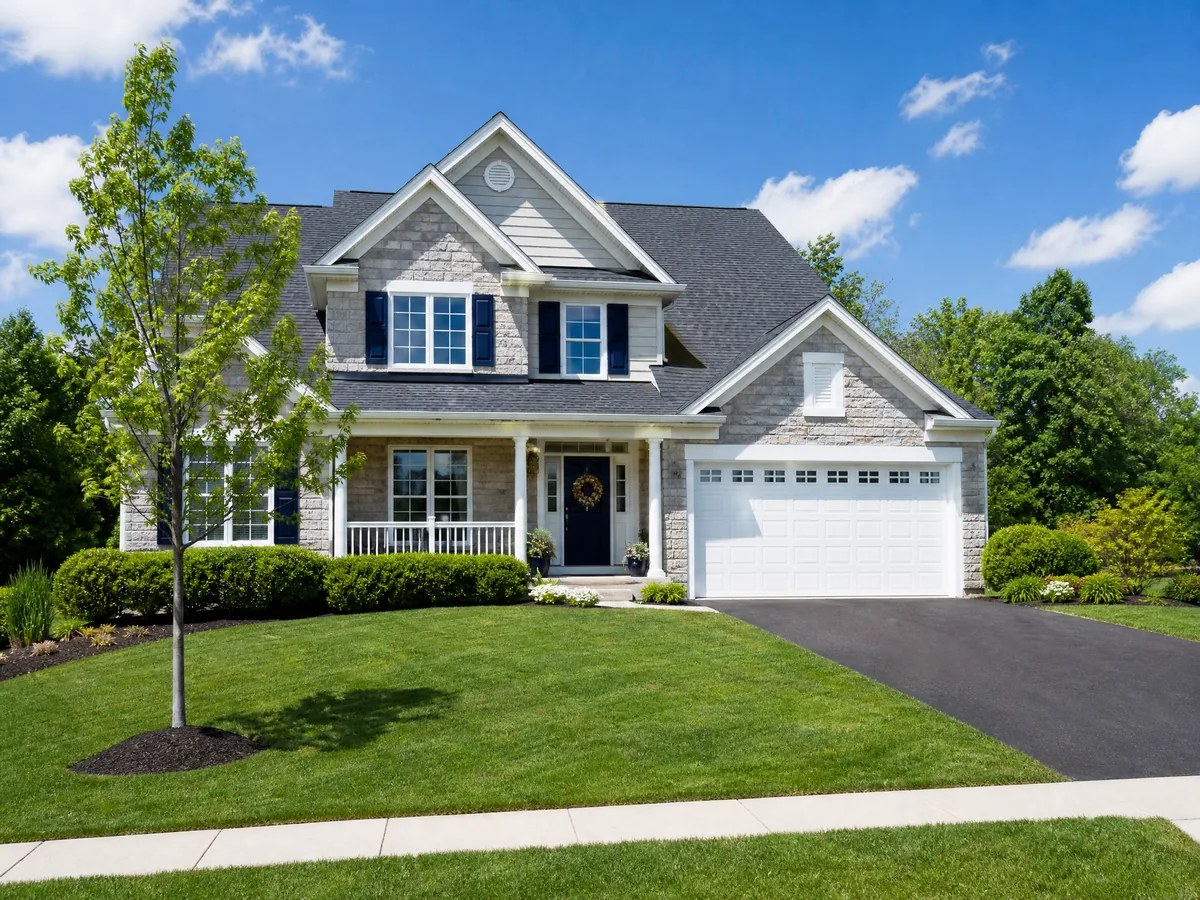
Conventional Investment in Frisco, TX from USA Mortgage
Non-owner
occupied
30-yr
fixed avail.
80%
max LTV
Low
rates

Typical figures, subject to underwriting and market conditions. Not a commitment to lend.

How it works

For investors who qualify conventionally, this is usually the lowest-cost long-term money on a buy-and-hold. We help you weigh it against our DSCR and bank-statement programs so the loan matches your file and your goals.

Who it's for
Buy-and-hold investors
Non-owner-occupied 1-4 units
Borrowers who document income
Purchase or refinance
Typical terms
PropertyInvestment, non-owner-occ
Max leverageUp to 80% LTV
Term30-yr fixed / ARM
IncomeDocumented
CreditFrom 580
UsePurchase or refi
Apply now

*Typical terms, subject to underwriting and market conditions.

Run your Conventional Investment numbers.

Pressure-test the deal in seconds with our free dscr calculator, no sign-up required.

Open the DSCR calculator
Local FAQ

Conventional Investment in Frisco, answered.

Does conventional financing work on a typical Frisco investment purchase?
It can, but expect a jumbo-scale loan. Frisco's mid-tier home value was $649,173 in July 2026, and next door in Prosper it was $770,217, both down year over year. At 80% LTV, a Frisco purchase at that value calls for roughly $519,000 of financing, which sits above the conforming loan limits standard conventional pricing is built around. We still fund it: the file just needs to document income at a jumbo-scale loan size rather than a starter-price loan size. Subject to underwriting.
Where in Collin County does conventional investor financing fit most easily?
Wylie and McKinney, the county's lower-priced tier. Wylie's mid-tier value was $420,077 in July 2026 and McKinney's was $480,265, both well under Frisco's $649,173 and Prosper's $770,217. A smaller loan amount at the same 80% LTV means less jumbo-scale documentation friction and an easier fit for a straightforward conventional file. If your target property sits in Frisco, Plano or Prosper instead, the loan still works, it is simply sized larger.
Collin County values fell year over year. Does that affect my 80% LTV?
Yes, because the appraisal sets the loan amount, and every city in the county was down. Frisco fell 4.6% year over year through July 2026, Prosper fell 5.7%, and the fastest-growing new-construction cities fell hardest: Celina 9.3%. At 80% LTV the appraisal, not your contract price, decides how much we can lend, so a purchase agreement written before a fresh appraisal comes in can leave a gap you fund with more cash down. Get a current appraisal before you lock your numbers.
Conventional or DSCR for a Frisco rental?
With gross yields this low, conventional is usually the better fit if your file documents. Frisco rents against Frisco values pencil to about a 3.4% gross yield, and Prosper to about 3.1%, the lowest in the county. A DSCR loan qualifies on the rent, so a low-yield property has to work harder to clear that coverage test. Conventional financing qualifies on you instead, which is the stronger path when the county's $124,920 median household income supports your documented file better than the rent supports a coverage ratio. Send us the address and we will run both.
How does the Collin County tax stack affect qualifying on a conventional loan?
It changes your escrow by city, and that escrow is part of the payment we qualify. A Frisco/Frisco ISD property carries an investor tax stack of about 1.68% of assessed value; the same house in Celina/Celina ISD runs about 2.02%, and a lot inside one of the county's nineteen MUDs can push toward 3.2%. Some subdivisions also carry a Public Improvement District assessment that shows as a 0.000000 rate on the county's own rate table because it is billed separately, so a rate lookup alone can understate the true payment. Confirm the full tax and assessment picture for the parcel before you lock a purchase, since it feeds directly into the qualifying payment on a documented loan.
How much cash should I expect to put down on a Frisco investment purchase?
At least 20% of the price, and more in dollar terms than a lower-priced Collin city. Max leverage is up to 80% LTV, so on a Frisco property near its $649,173 mid-tier value, that is roughly $130,000 down against about $519,000 financed (649,173 x 20% = 129,835). The same math on a $420,077 Wylie property is about $84,000 down. The percentage doesn't change with the address, but the dollar check you write does. Subject to underwriting.
FAQ

Conventional Investment questions, answered.

What is a conventional investment property loan?
It is standard, competitively priced financing for a non-owner-occupied investment property, the long-term loan you take when your file fits the conventional box. It usually carries a lower rate than a bridge or DSCR loan, in exchange for full documentation.
How is it different from a DSCR loan?
A conventional loan qualifies on your documented personal income and credit, while a DSCR loan qualifies on the property's rent. Conventional pricing is often lower if you can document your income and you are within the limit on financed properties; DSCR is easier to scale and skips the income docs. We compare both and put you in the one that fits.
How much do I need to put down?
Plan on roughly 20% to 25% down on an investment-property purchase, with the best pricing at lower leverage and higher credit. Cash-out refinances are typically capped a bit lower than purchases.
What credit score do I need?
Conventional investment financing generally wants a credit score around 580 or higher, and your rate improves meaningfully as your score and reserves go up. We will tell you up front where your file lands.
What can I use it for?
Purchases, rate-and-term refinances, and cash-out refinances on non-owner-occupied 1-4 unit investment property. If you will live in the property, that is owner-occupied financing, which we refer to a trusted partner rather than originate here.
What documents are required?
Because it is fully documented, expect to provide income verification, tax returns, bank statements, and the standard conventional paperwork. If that documentation is a hurdle, our DSCR and bank-statement programs are the no-tax-return alternatives.
See all frequently asked questions
Resources

Guides for Conventional Investment

Browse all guides
More in Frisco

Other programs in Frisco

All Frisco loan programs
About the local figures on this page

Local rules move. Every tax rate, fee, ordinance and market figure here comes from a primary source and carries the date we read it, and we correct them as the rules change. Where a number is mid-change or we could not verify it, we say so rather than guess. Before you commit a budget, confirm anything that drives it with the city or county, and talk to your attorney or CPA on questions of law or tax.

Funding Frisco deals fast.

Get real terms, usually same day. No obligation, no hard credit pull to start.

Apply nowTalk to us