Direct private lending in most states
Call us anytime at 512-617-9400
Apply now
Program 07

Conventional Investment in North Carolina

Conventional investment property loans, statewide in North Carolina.

Standard, competitively priced financing for non-owner-occupied investment property when your file fits the box. Often the lowest-cost option for a long-term hold, in exchange for full documentation. In North Carolina the two escrow lines that decide whether a file qualifies are a property tax that steps at revaluation and a homeowners premium that moves by statewide filing. Business-purpose only, and every structure is set in underwriting.
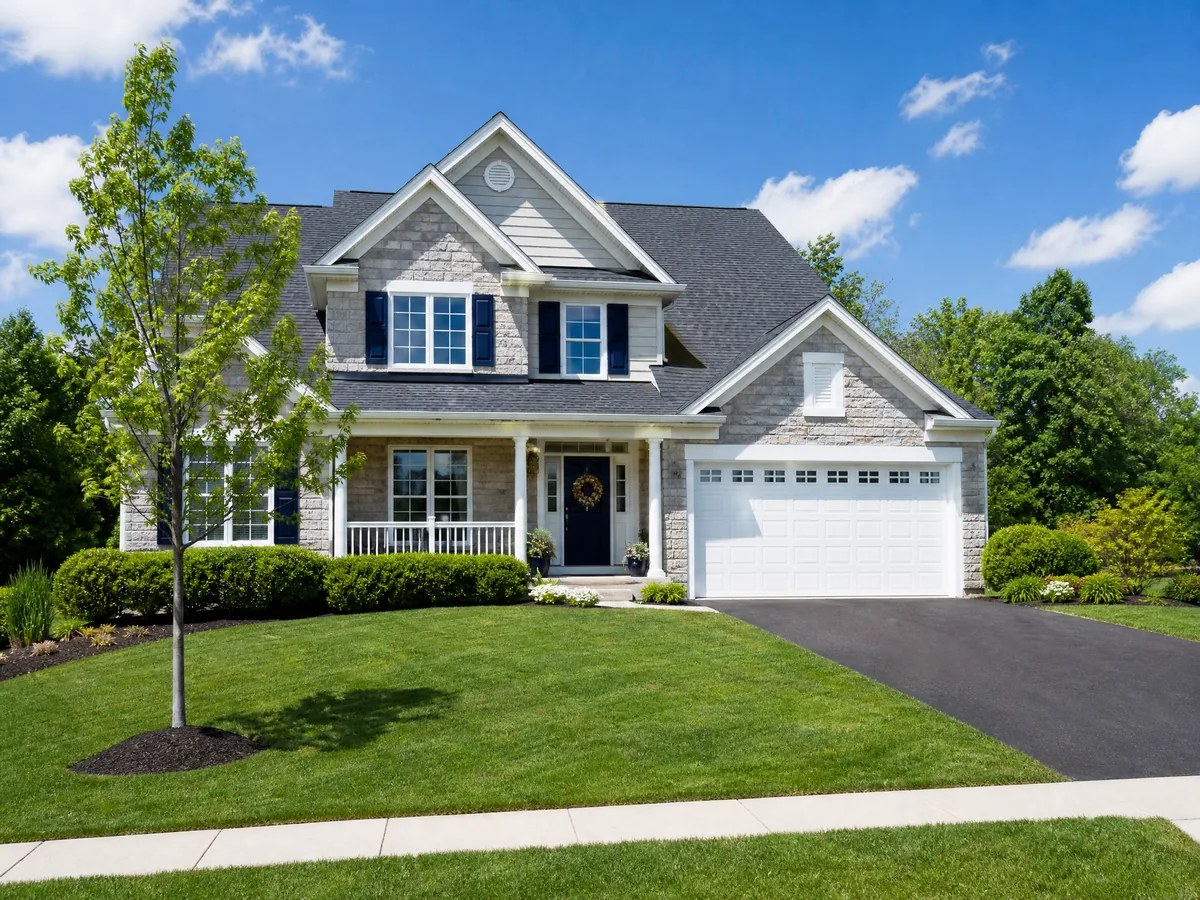
Conventional Investment in North Carolina from USA Mortgage
Non-owner
occupied
30-yr
fixed avail.
80%
max LTV
Low
rates

Typical figures, subject to underwriting and market conditions. Not a commitment to lend.

How it works

For investors who qualify conventionally, this is usually the lowest-cost long-term money on a buy-and-hold. We help you weigh it against our DSCR and bank-statement programs so the loan matches your file and your goals.

Who it's for
Buy-and-hold investors
Non-owner-occupied 1-4 units
Borrowers who document income
Purchase or refinance
Typical terms
PropertyInvestment, non-owner-occ
Max leverageUp to 80% LTV
Term30-yr fixed / ARM
IncomeDocumented
CreditFrom 580
UsePurchase or refi
Apply now

*Typical terms, subject to underwriting and market conditions.

Run your Conventional Investment numbers.

Pressure-test the deal in seconds with our free dscr calculator, no sign-up required.

Open the DSCR calculator
Local FAQ

Conventional Investment in North Carolina, answered.

How do I estimate property tax on a North Carolina rental at application?
Look at where the county is in its revaluation cycle, not just at last year's bill. NCGS 105-286 requires counties to reappraise all real property at least every eight years on a staggered statewide schedule, and assessed values are frozen between revaluations. That means the effective burden drifts down late in a cycle and then jumps at reval. Counties above 75,000 population must advance a reappraisal if their sales-assessment ratio drops below 0.85 or rises above 1.15, and any county may shorten its cycle by resolution. Mecklenburg revalued effective January 1, 2023 on a four-year cycle, next 2027; Wake revalued effective January 1, 2024, next 2027, then two-year cycles from 2029. There is no homestead cap or investor split to model here. On a conventional file the escrow feeds your qualifying ratios directly, so a bad tax estimate at application is what kills the loan two weeks in. Local rates belong to the metro pages: Raleigh.
Can I appeal a North Carolina assessment that breaks my ratios?
Yes, to the county Board of Equalization and Review, and the window closes when the board adjourns. That is the part that catches people. There is no single statewide deadline: adjournment dates vary by county and by year. Mecklenburg's 2026 deadline was May 4, 2026, and Wake's board typically adjourns for value appeals in early-to-mid April. Those are prior-year facts and should not be reused, so confirm the current-year adjournment date with your county. NCDOR publishes a statewide overview of the property tax appeal process. If a reval-year increase pushes your escrow past what the file supports, the appeal is the lever, and the alternative is usually a DSCR structure that is underwritten on the property instead of on your ratios.
What is happening to North Carolina insurance premiums?
They are rising in negotiated statewide steps rather than carrier by carrier. North Carolina is a rate-bureau state: the North Carolina Rate Bureau files homeowners rates for all carriers and the Commissioner of Insurance approves, negotiates, or litigates them. In the settled 2025 round the Bureau requested a 42.2% average statewide increase, with up to 99.4% in some territories, and the Commissioner settled at 7.5% on June 1, 2025 and 7.5% on June 1, 2026, capped at 35% in any territory, with no new Bureau filing before June 1, 2027. For a conventional file that is a useful property: the escrow line moves on a schedule you can see coming. Coastal wind is a separate market. The wind pool writes in eligible coastal counties only, and inland property sits in the standard market. Get a bound quote before you lock.
What does closing a conventional loan cost in North Carolina?
An attorney's fee, small flat recording fees, and a conveyance tax the seller pays. Authorized Practice Advisory Opinion 2002-1 means a licensed North Carolina attorney must be responsible for a residential closing, so budget that fee and engage them early. Recording under NCGS 161-10 is $64 for the first 35 pages of a deed of trust plus $4 a page after, and $26 for the first 15 pages of a deed. The state excise tax under NCGS 105-228.30 is $1 per $500 of consideration, 0.2%, and the statute puts it on the transferor, so on a $400,000 purchase the seller pays $800 (400,000 divided by 500 = 800, times $1). There is no mortgage tax and no intangibles tax on the note. Seven far-northeastern coastal counties add a 1% local land transfer tax; none is in the Piedmont.
What credit score do I need for a North Carolina conventional investment loan?
Credit starts at 580 on this program. It is the lowest score floor on any of our documented-income programs, and the trade is documentation: full income documentation, not bank statements and not an asset-only review. There is no hard credit pull to start. If your returns will not support the ratios, DSCR is usually the alternative. Subject to underwriting.
How much do I put down on a North Carolina conventional investment purchase?
20% at maximum leverage. We go up to 80% LTV, so on a $400,000 purchase that is $320,000 from us and $80,000 from you (400,000 x 80% = 320,000), before closing costs. The property has to be non-owner-occupied, and income is fully documented. Add the closing attorney's fee and the flat recording fees to your cash-to-close number. Subject to underwriting.
Can I use this program for a house I plan to live in?
No. Everything we write is business-purpose, on non-owner-occupied investment property. That is also why the North Carolina licensing analysis works: the NC SAFE Act defines a residential mortgage loan as one made to individuals for personal, family, or household use, which a business-purpose loan to an investor is not. If you want a primary residence loan, a bank or a consumer mortgage lender is the right call. Subject to underwriting.

More Conventional Investment questions, answered on the program page

Resources

Guides for Conventional Investment

Browse all guides
More in North Carolina

Other programs in North Carolina

All North Carolina loan programs
About the local figures on this page

Local rules move. Every tax rate, fee, ordinance and market figure here comes from a primary source and carries the date we read it, and we correct them as the rules change. Where a number is mid-change or we could not verify it, we say so rather than guess. Before you commit a budget, confirm anything that drives it with the city or county, and talk to your attorney or CPA on questions of law or tax.

Published by USA Mortgage Funding, LLC, NMLS #152588. Researched from primary sources by our team, drafted with AI assistance, and every figure checked against its source before publishing. Where an answer rests on a public record, that record is linked under it. Figures read on 2026-08-12.

Funding North Carolina deals fast.

Get real terms, usually same day. No obligation, no hard credit pull to start.

Apply nowTalk to us