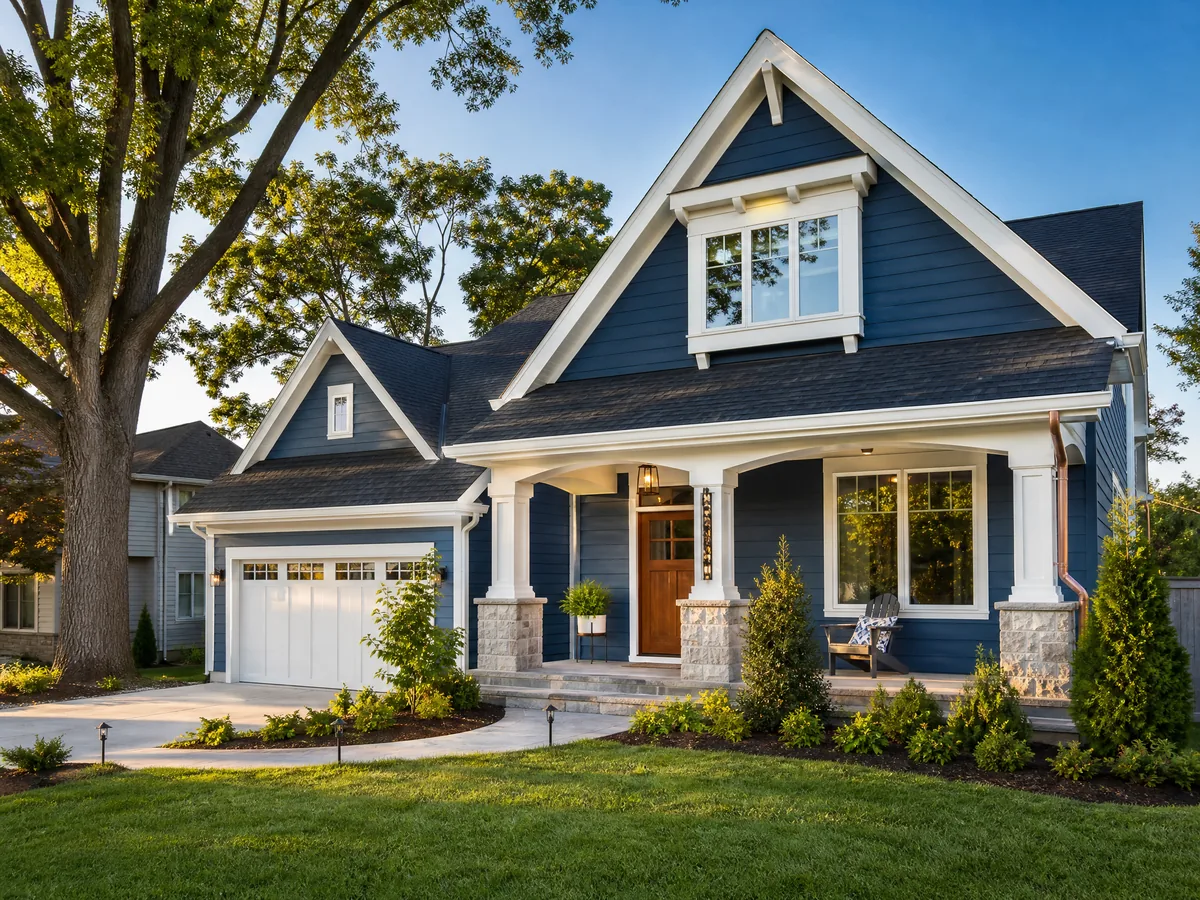
Acquisition and rehab in one San Francisco fix and flip loan.
Built for the active flipper. We fund up to 90% of the purchase price and up to 100% of the rehab budget, capped to ARV, on a 6-month interest-only term. California flip margins run thin against the national average, and basis varies enormously by city inside this metro, so the deal has to be won at acquisition. Business-purpose only, and every structure is set in underwriting.
Typical figures, subject to underwriting and market conditions. Not a commitment to lend.
How it works
Draws are reimbursed quickly as work is completed, and a dedicated closer stays with your file from term sheet to payoff. You can get a term sheet the same day, and we typically fund within 48 hours of clear title, so most flips close in 5-7 days as soon as title and insurance come together.
Only on a thin margin, and only if the basis fits the plan. California's Q1 2026 gross flipping profit was $124,437, but its gross ROI was 19.5%, against a national gross ROI of 25.4%. Big dollars, thin percentage, on a purchase price that runs 10 to 20 times a Texas flip. No San Francisco metro flip rate, count, or ROI exists in ATTOM's published data, so do not underwrite to a citywide statistic that has never been published. Basis is also where the metro splits: Richmond, Oakland, Concord, and Hayward keep a rehab budget to a manageable share of the deal, while San Francisco, Berkeley, and the Peninsula are seven-figure entries where a cost overrun eats the whole spread. Run your numbers on the fix and flip calculator before you write the offer.
How long does the rehab permit take here?
Longer than the headline improvement suggests, and budget the carry for it. A study commissioned by a city supervisor and published in March 2026 found San Francisco's time to issue a housing building permit had fallen to an average of about 280 days, down from a prior average of 605 days, over a study window of January 2024 through August 2025. Applications filed inside that window were issued in 114 days on average, still well behind San Diego's 134-day average and Austin's 91 days. Those two figures describe different populations, both are averages rather than medians, and neither is a promise for your file. Our fix and flip loan runs a 6-month interest-only term, so scope the permit path and price the delay into the hold before you close, not after.
What does the tax stack look like on a San Francisco flip?
Three separate hits, and none of them care that you're an investor. The City and County of San Francisco transfer tax is tiered on the entire price, not just the amount above each threshold: 0.75% from $1,000,000 to $4,999,999, then 2.25% from $5,000,000 to $9,999,999, then 5.50% from $10,000,000 to $24,999,999. A deal priced at $10,000,000 pays $550,000 in transfer tax; one priced at $9,999,999 pays $225,000, a $325,000 gap for one dollar. Every purchase also resets the assessed value to the price paid under Proposition 13, and there is no homeowner-versus-investor rate class on the ad valorem side, so a flip carries the full reassessed bill from day one. Close between January 1 and May 31 and the assessor issues two supplemental tax bills instead of one, both outside the normal December and April cycle. Set your tax reserve from purchase price times rate, not from the seller's bill, and confirm the transfer tax allocation with your escrow officer since who pays it is set by contract.
Does San Francisco tax a flip that sits vacant while it's on the market?
Not right now. San Francisco's Empty Homes Tax, Proposition M, was ruled unconstitutional and preempted by the San Francisco Superior Court on October 31, 2024, and the judgment entered November 26, 2024 barred the City from enforcing or administering the tax effective December 6, 2024. The City's own Treasurer and Tax Collector states owners need not file or pay the tax unless and until the trial court's decision is reversed on appeal, and the City has said it intends to challenge the ruling. That means a flip that sits on the market past a target exit date is not currently exposed to it, but do not underwrite around the tax in either direction: it is enjoined, not repealed, and the appeal is still pending.
Can I flip into a condo sale in San Francisco?
Only if the exit is a two-unit building, and even that path has a bottleneck ahead of it. San Francisco Public Works routes condominium conversion through its Subdivisions and Mapping section, and as of the applications it publishes, the ordinary residential conversion application is titled for two-unit buildings only, with its process flowchart written for both units owner-occupied. The expedited program covering 2 to 6 residential units carries a partial suspension dated back to 2017 and remains marked suspended. We have not found published rules covering full eligibility, owner-occupancy duration, or whether any live path exists for a 3 to 6 unit building, so do not plan a rehab-to-condo exit on a triplex or fourplex without confirming the current status with Public Works first. A straight resale stays the reliable exit. If holding as a rental pencils better than a resale, see San Francisco DSCR terms for the takeout.
How fast is the resale market moving right now?
Faster than a year ago, which changes how you should price the hold, not just the buy. Median days on market across the metro ran 39 days in July 2026, against 45 a year earlier, active listings were down 16.3%, and only about 28% of listings had taken a price cut. That's a tighter market than the thin gross ROI in California's flip data might suggest, and it argues for underwriting to a faster exit than you may be used to, while still keeping the price-cut cushion in the model. Speed of close on the front end matters more here than in a slower market: we can typically get a term sheet the same day and fund within 48 hours of clear title, so most fix and flip files close in 5 to 7 days once title and insurance come together. Apply now once you're under contract.
How much do I need to bring to a San Francisco flip?
About 10% of the purchase price, plus closing costs. We fund up to 90% of the purchase price and up to 100% of the rehab budget, capped to ARV. On an $800,000 purchase that is up to $720,000 from us and $80,000 from you (800,000 x 90% = 720,000), with rehab drawn against the schedule instead of paid up front. Basis is what moves that number here: a Richmond, Oakland, Concord, or Hayward entry keeps your check manageable, while San Francisco, Berkeley, and the Peninsula are seven-figure buys where the same percentage is a much larger wire. The term is 6 months, interest-only. Subject to underwriting.
Is there a minimum loan size on a San Francisco fix and flip loan?
Yes. We write from $100,000 to $5,000,000. That range covers most of what trades in this metro. An entry in Richmond, Oakland, Concord, or Hayward sits well inside it, and so do most deals in San Francisco, Berkeley, and the Peninsula, though a seven-figure purchase plus a full rehab can push a file toward the top of the range. Leverage is still capped to ARV, so the loan amount is set by the deal rather than by the ceiling. Subject to underwriting.
Can I get a San Francisco fix and flip loan on my first project?
Yes. First-time flippers are welcome. We do run credit, but on an asset-based loan like this one it carries far less weight than at a bank, and there is no minimum score. Weaker credit usually means lower leverage rather than a decline, and there is no hard credit pull to start. What we read hardest is the deal itself: purchase price, rehab scope, and a realistic exit. On a first project here, keep the scope tight and the contingency real, because California's gross flip ROI is thin and the permit path can run long. Subject to underwriting.
More Fix and Flip questions, answered on the program page
Local rules move. Every tax rate, fee, ordinance and market figure here comes from a primary source and carries the date we read it, and we correct them as the rules change. Where a number is mid-change or we could not verify it, we say so rather than guess. Before you commit a budget, confirm anything that drives it with the city or county, and talk to your attorney or CPA on questions of law or tax.
Published by USA Mortgage Funding, LLC, NMLS #152588. Researched from primary sources by our team, drafted with AI assistance, and every figure checked against its source before publishing. Where an answer rests on a public record, that record is linked under it. Figures read on 2026-08-21.
Funding San Francisco deals fast.
Get real terms, usually same day. No obligation, no hard credit pull to start.