
Direct private lending in most states
Call us anytime at 512-617-9400
Apply now
Program 01

Second Mortgage in San Francisco

A second mortgage on a San Francisco rental, first untouched.

Our second mortgage lends $50K to $1M against a 1-4 unit rental worth $100K or more, up to 80% combined loan-to-value at fixed rates from 6.99%, and your first mortgage stays in place. San Francisco deals record with the one City and County Assessor-Recorder, and only a resident host may run a short-term rental. Business purpose only, subject to underwriting.
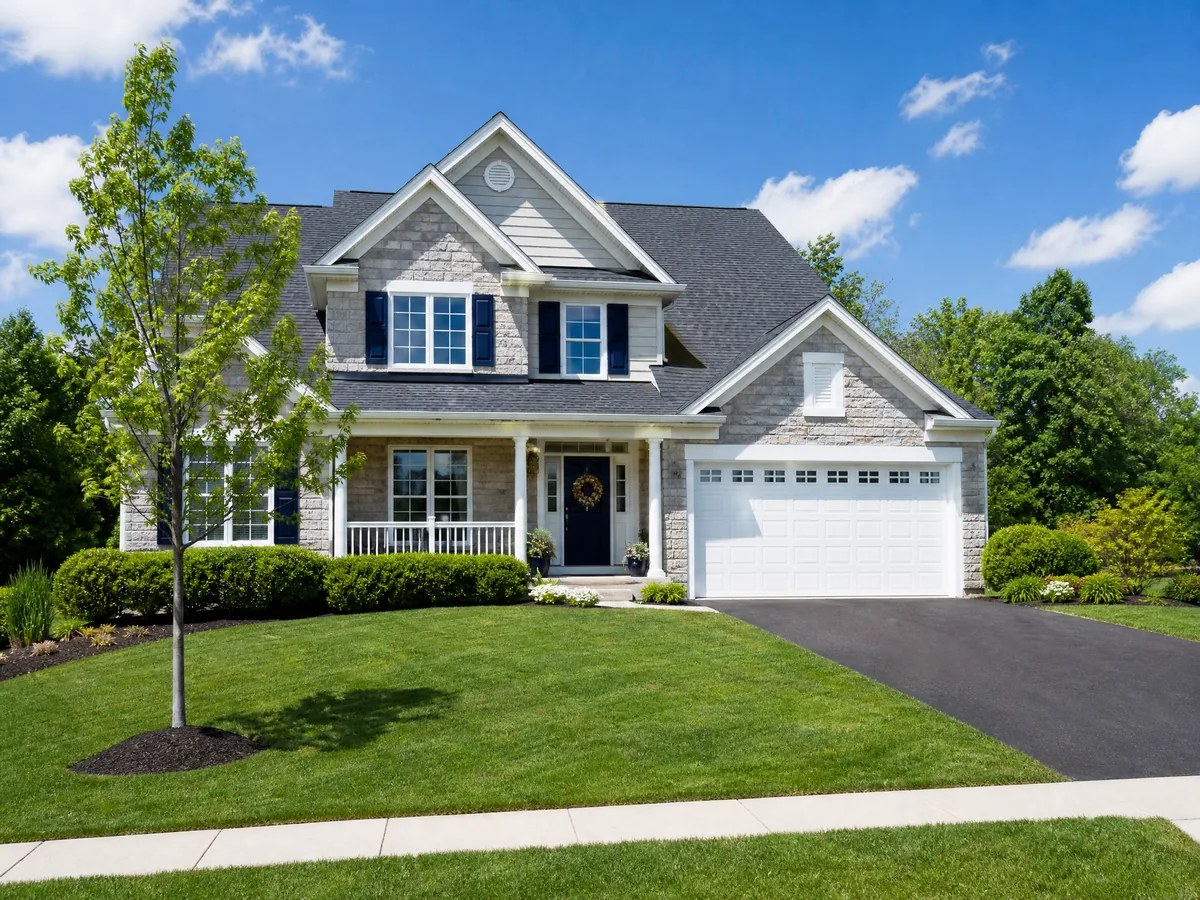
Second Mortgage in San Francisco, CA from USA Mortgage
$1M
max loan
80%
max CLTV
660
min FICO
3-4 weeks
to close

Typical figures, subject to underwriting and market conditions. Not a commitment to lend.

How it works

We lend against the equity in a rental you already own, as a lump-sum second or a line of credit, so your first mortgage and its rate stay in place. Combined loan-to-value, counting every lien, goes up to 80%, subject to underwriting. The prepayment penalty runs 0 to 5 years. Check that your first mortgage allows a junior lien.

Who it's for
Rental owners who want to keep their first mortgage
Investors funding a down payment or renovation
Non-owner-occupied investment property only, including short-term rentals
Individuals and entities, such as an LLC
Borrowers with a 660 or higher credit score
Business-purpose use of the funds
Typical terms
Loan amount$50K to $1M
Max CLTVUp to 80%
RateFrom 6.99% fixed*
Min FICO660
Property1-4 units, $100K+ value
Closing3-4 weeks
Apply now

*Typical terms, subject to underwriting and market conditions.

Run your Second Mortgage numbers.

Pressure-test the deal in seconds with our free second mortgage calculator, no sign-up required.

Open the Second Mortgage calculator
Local FAQ

Second Mortgage in San Francisco, answered.

Do California's homeowner protections cover a second mortgage on my San Francisco rental?
Mostly not, because they are built around the home you live in. California's homestead exemption protects the debtor's principal dwelling from judgment creditors, and by statute the exemptions do not apply to the foreclosure of a deed of trust at all. The Homeowner Bill of Rights is limited to owner-occupied first liens securing a loan made for personal, family or household purposes, so a business-purpose second on a rental sits outside it on both counts. One rule does reach rentals: Code of Civil Procedure section 580e bars a deficiency after a lender-approved short sale of a dwelling of up to four units with no occupancy test, but it does not apply when the borrower is a corporation, LLC or limited partnership, so how you hold title matters. This is not legal advice; your attorney or title company has the final say. See the second mortgage program page for terms.

Sources: california.public.law

What happens to a second on my San Francisco rental if the first mortgage is foreclosed?
The second lender gets notice, a chance to cure, and a place in line for any surplus. California deeds of trust are usually foreclosed by trustee sale under the power of sale, and at least three months must pass after the notice of default is recorded before notice of sale can be given. Civil Code section 2924b requires notice of the default to be mailed, within one month of recording it, to the holder of any later-recorded deed of trust, and notice of the sale at least 20 days before it. Under section 2924c a junior lienholder can reinstate the senior loan until five business days before the sale date in the first notice of sale. If the sale brings more than the senior debt and costs, section 2924k pays junior liens in order of priority before anything goes to the owner. Under section 2924m a trustee sale of a 1 to 4 unit property is not final at the gavel, because eligible bidders such as tenants and prospective owner-occupants get a window after the sale. The sale must be held in San Francisco, between 9 a.m. and 5 p.m. on a business day, and the recorded notice of sale names the place for each property. Read lien position explained before you stack debt.

Sources: california.public.law

Where does a second on a San Francisco rental record, and what state charges apply?
With the City and County Assessor-Recorder, and the state's transfer tax does not apply to it. San Francisco is one city and one county, so a deed of trust on a San Francisco parcel records with the Assessor-Recorder's Office at City Hall, Room 190, 1 Dr. Carlton B. Goodlett Place, in person or by mail. Electronic recording runs through approved e-recording agents under a memorandum of understanding with the office, not as an open service to any borrower. California's documentary transfer tax does not apply to an instrument given to secure a debt, and the state charges no mortgage tax. What a standalone second can carry is the state's $75 SB 2 Building Homes and Jobs Act recording fee: it exempts a recording tied to a transfer that pays transfer tax and a transfer of a home to an owner-occupier, and a cash-out second on a rental fits neither on its face. Ask your title company for the current county recording charges on your documents.

Sources: sf.gov, california.public.law, slocounty.ca.gov

Can my LLC run a short-term rental on a San Francisco property I do not live in?
No. San Francisco limits short-term rentals to a natural person who lives in the unit. SF Planning states that only natural persons may be Permanent Residents and only Permanent Residents may conduct short-term rentals, and permanent residency means sleeping in the unit at least 275 nights a year. The host's own name must be on the business registration, so an LLC cannot be the registered host. A Permanent Resident may offer only one residential unit, an accessory dwelling unit is not eligible, and liability coverage of at least $500,000 is required. On a non-owner-occupied rental, short-term rental income is not a lawful use, so we do not underwrite it there; size the second on long-term rent. California also lets a homeowners association ban rentals of 30 days or less (Civil Code section 4741).

Sources: sfplanning.org, california.public.law

Which San Francisco rent rules apply before I count rent toward a second payment?
The June 13, 1979 line decides the rent cap, and a city filing decides whether any increase is enforceable. Rent control reaches units first occupied on or before June 13, 1979 that are not single-family dwellings. Units built after that date are exempt from the rent cap but still carry the city's just-cause eviction rules. Rent increase notices are not enforceable without a current filing in the Rent Board Housing Inventory, which every residential owner reports to by March 1 each year. Where the local cap does not apply, the statewide Tenant Protection Act (AB 1482, Civil Code section 1947.12) can. Its single-family and condo exemption is lost if the owner is a REIT, a corporation, or an LLC with at least one corporate member, so how you title the property is a question for your counsel. Test the numbers in the second mortgage calculator.

Sources: sf.gov, leginfo.legislature.ca.gov

Is a business-purpose second on a San Francisco rental regulated like a consumer loan in California?
California draws the line by definition, and business-purpose lending is still a licensed activity. The California Financing Law covers commercial loans of $5,000 or more whose proceeds are for other than personal, family or household use, and the state says it applies to commercial lending including loans secured by residential real estate; the lawful routes are a CFL license or a real estate broker license. Separately, the Residential Mortgage Lending Act defines a residential mortgage loan by the federal RESPA term, a federally related mortgage loan, which covers first or subordinate liens on 1 to 4 unit residential property made by covered lenders. RESPA itself exempts credit extended primarily for a business, commercial or agricultural purpose, but no state guidance we found says whether that carve-out carries into the California definition. That is why we ask what the funds are for and whether you live in the property. This is not legal advice; your attorney has the final say on your own structure.

Sources: california.public.law, law.cornell.edu, dfpi.ca.gov

More Second Mortgage questions, answered on the program page

Resources

Guides for Second Mortgage

Browse all guides
More in San Francisco

Other programs in San Francisco

All San Francisco loan programs
About the local figures on this page

Local rules move. Every tax rate, fee, ordinance and market figure here comes from a primary source and carries the date we read it, and we correct them as the rules change. Where a number is mid-change or we could not verify it, we say so rather than guess. Before you commit a budget, confirm anything that drives it with the city or county, and talk to your attorney or CPA on questions of law or tax.

Published by USA Mortgage Funding, LLC, NMLS #152588. Researched from primary sources by our team, drafted with AI assistance, and every figure checked against its source before publishing. Where an answer rests on a public record, that record is linked under it. Figures read on 2026-08-21.

Funding San Francisco deals fast.

Get real terms, usually same day. No obligation, no hard credit pull to start.

Apply nowTalk to us