
Direct private lending in most states
Call us anytime at 512-617-9400
Apply now
Program 07

Conventional Investment in California

Conventional investment property loans, statewide in California.

Standard, competitively priced financing for non-owner-occupied investment property when your file fits the box. Often the lowest cost option for a long-term hold, in exchange for full documentation. In California the non-owner-occupied line does legal work, not just underwriting work. Business-purpose only, subject to underwriting.
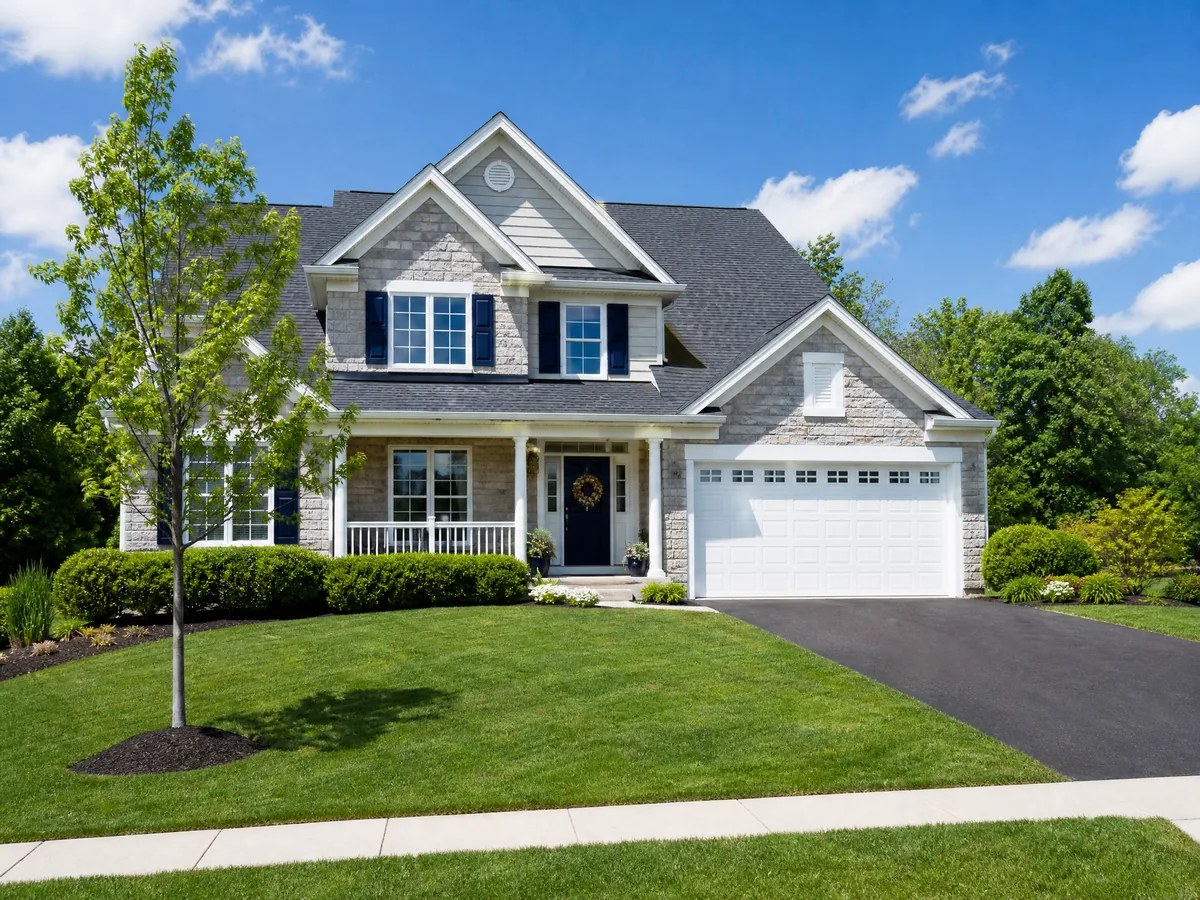
Conventional Investment in California from USA Mortgage
Non-owner
occupied
30-yr
fixed avail.
80%
max LTV
Low
rates

Typical figures, subject to underwriting and market conditions. Not a commitment to lend.

How it works

For investors who qualify conventionally, this is usually the lowest-cost long-term money on a buy-and-hold. We help you weigh it against our DSCR and bank-statement programs so the loan matches your file and your goals.

Who it's for
Buy-and-hold investors
Non-owner-occupied 1-4 units
Borrowers who document income
Purchase or refinance
Typical terms
PropertyInvestment, non-owner-occ
Max leverageUp to 80% LTV
Term30-yr fixed / ARM
IncomeDocumented
CreditFrom 580
UsePurchase or refi
Apply now

*Typical terms, subject to underwriting and market conditions.

Run your Conventional Investment numbers.

Pressure-test the deal in seconds with our free dscr calculator, no sign-up required.

Open the DSCR calculator
Local FAQ

Conventional Investment in California, answered.

Why does non-owner-occupied matter so much in California?
Because two of the state's borrower protection statutes are written around occupancy. Civil Code section 2924.15 limits Homeowner Bill of Rights protections to a first lien on owner-occupied property, and defines owner-occupied as the borrower's principal residence securing a loan made for personal, family or household purposes. An investment property loan sits outside HBOR by definition. Separately, Code of Civil Procedure section 580b(a)(3) attaches purchase-money anti-deficiency protection to a loan on a dwelling for not more than four families occupied entirely or in part by the purchaser, so a non-owner-occupied investor purchase is generally outside that dwelling prong. Note the counterweight: section 580d still bars a deficiency after any trustee sale, investor loans included. The practical point for you is simpler. Occupancy is not a box to tick loosely on a California file. It changes which statutes apply.
Can I shop the title premium in California the way I shop the rate?
Yes, and that is different from a promulgated-rate state. California does not set a single statewide title premium the way Texas does; rates are company-filed, and we will not describe the filing regime further than that because we have not verified it. Practically, get more than one quote. Custom on who pays the owner's title premium also varies by region: seller-pays is customary in Southern California, buyer-pays is more common in the north, and it is negotiable everywhere. We do not publish a per-county who-pays chart, because no primary source supports one. Ask your escrow officer what the custom is in that county before you write the offer, and treat the answer as a term you can trade. Market detail sits on the metro pages, for example Sacramento conventional investment.
What do taxes and insurance do to a documented-income California file?
They are the two lines most likely to move you out of the box. Article XIII A reassesses the property at your purchase price and caps the ad valorem tax at 1% of full cash value plus voter-approved debt levies, so the seller's bill is not your bill. On insurance, the FAIR Plan has grown to roughly 573,739 policies as of March 2025, and it writes basic named-peril dwelling fire coverage only, which means a property placed there needs a companion policy for liability and other perils and you carry both premiums. After the January 2025 Palisades and Eaton fires the Department of Insurance imposed a one-year moratorium under Insurance Code section 675.1 on wildfire-risk cancellations and non-renewals of residential policies in affected ZIP codes, a tool that is time-limited by design. Conventional files run on ratios, so get real quotes for the address before you lock a price. Talk to your California CPA about your own position.
Conventional or DSCR for a California rental?
It comes down to whether your documented income clears the ratios. Conventional is usually the lower cost long-term hold when the file fits: documented income, non-owner-occupied, and up to 80% LTV. A DSCR loan instead qualifies on the property, with DSCR from 0.75 and credit from 640, which is the answer when your returns are managed down, when you are buying through an entity, or when the door count is past what a conventional lender will hold. California pushes more borrowers toward the second route than most states do, because the highest income tax in the country rewards aggressive deductions and adjusted gross income is exactly what a conventional underwriter reads. We will run both and show you the comparison. Subject to underwriting.
What credit score do I need for a California conventional investment loan?
580 is the floor on this program. That is the lowest score threshold we publish on any documented-income product, and it exists because the rest of the file does more of the work: documented income, reserves, and a property that appraises. Above the floor, score drives pricing and leverage rather than the yes or no. There is no hard credit pull to start. Subject to underwriting.
How much do I put down on a California conventional investment property?
20% at maximum leverage. We go up to 80% LTV, so on a $650,000 California purchase that is $520,000 from us and $130,000 from you (650,000 x 80% = 520,000). Budget escrow, title and the city and county transfer tax on top, and remember the property tax bill reassesses at your purchase price rather than carrying the seller's number forward. Subject to underwriting.
Can I use this program on a house I plan to live in?
No. This is a non-owner-occupied program only. Every loan we write is business-purpose only, on investment property, and occupancy is a condition rather than a preference. In California that line also decides whether Homeowner Bill of Rights protections and the purchase-money anti-deficiency rule reach the loan at all, so it is not a detail either side can be casual about. If you are buying a home to live in, we are the wrong lender and will say so on the first call. Subject to underwriting.

More Conventional Investment questions, answered on the program page

Resources

Guides for Conventional Investment

Browse all guides
More in California

Other programs in California

All California loan programs
About the local figures on this page

Local rules move. Every tax rate, fee, ordinance and market figure here comes from a primary source and carries the date we read it, and we correct them as the rules change. Where a number is mid-change or we could not verify it, we say so rather than guess. Before you commit a budget, confirm anything that drives it with the city or county, and talk to your attorney or CPA on questions of law or tax.

Published by USA Mortgage Funding, LLC, NMLS #152588. Researched from primary sources by our team, drafted with AI assistance, and every figure checked against its source before publishing. Where an answer rests on a public record, that record is linked under it. Figures read on 2026-08-12.

Funding California deals fast.

Get real terms, usually same day. No obligation, no hard credit pull to start.

Apply nowTalk to us