
Direct private lending in most states
Call us anytime at 512-617-9400
Apply now
Program 04

CRE Bridge in Missouri

Commercial bridge loans across Missouri, from acquisition to permanent takeout.

Short-term commercial capital to acquire, reposition or refinance a stabilizing Missouri asset, to $10M and up to 24 to 36 months interest-only, with cash-out available. Missouri taxes commercial real estate at a materially higher assessment ratio than residential property, and its trustee's sale process moves fast once a workout goes wrong. Business-purpose only, and every structure is set in underwriting.
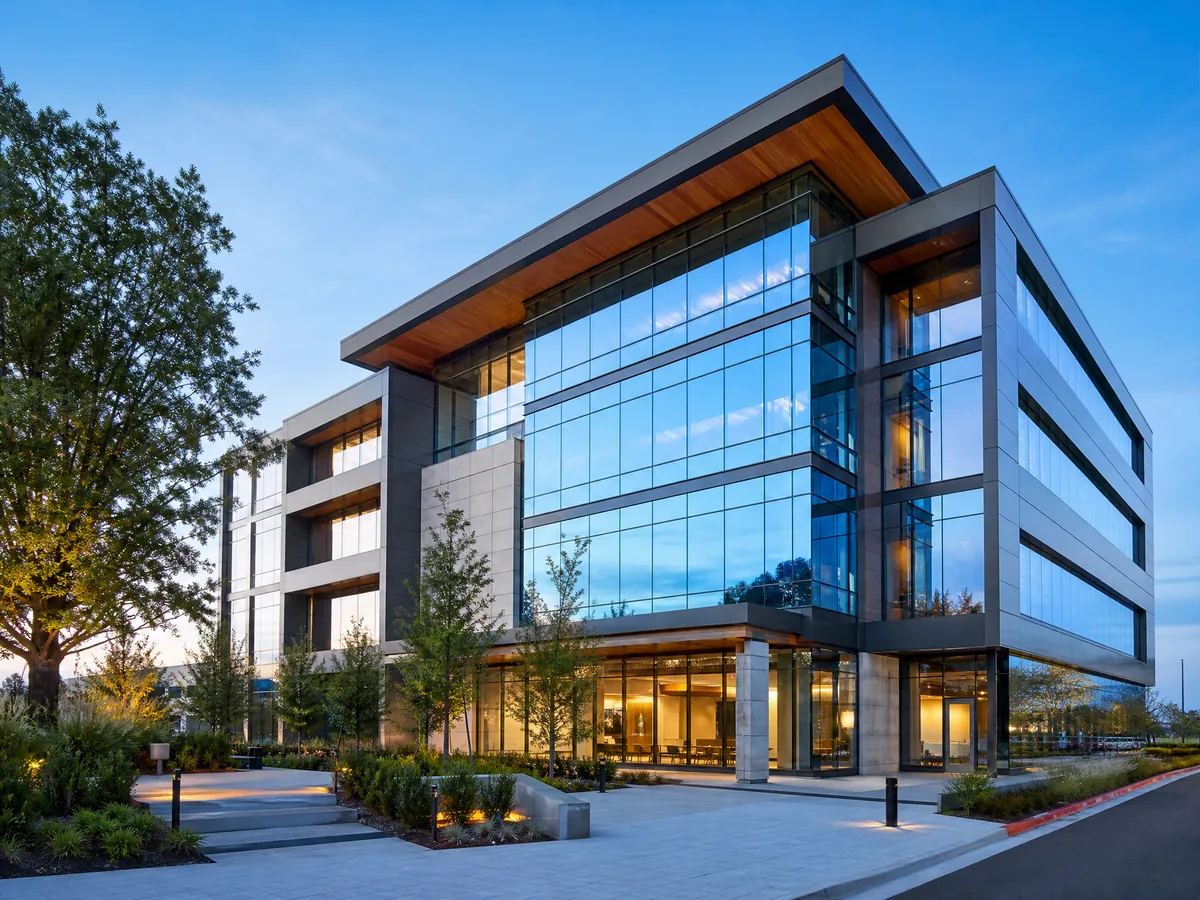
CRE Bridge in Missouri from USA Mortgage
$10M
max loan
24-36 mo
terms
All types
property
Cash-out
available

Typical figures, subject to underwriting and market conditions. Not a commitment to lend.

How it works

Use bridge capital to reposition an asset, buy out a partner, or stabilize before a refinance. We move quickly on commercial deals that banks find too time-sensitive. When the asset is stabilized, we refinance you out of the bridge and into long-term permanent debt, which we also place in house, so you have a clear exit from day one.

Who it's for
Value-add commercial real estate
Repositioning and lease-up
Partner buyouts
Pre-stabilization holds
Typical terms
Loan amountUp to $10M
Max leverageUp to 75% LTV
TermUp to 24 to 36 months
RateFrom 9.00%*
PaymentsInterest-only
StructureBridge or cash-out
Apply now

*Typical terms, subject to underwriting and market conditions.

Run your CRE Bridge numbers.

Pressure-test the deal in seconds with our free bridge loan calculator, no sign-up required.

Open the Bridge Loan calculator
Local FAQ

CRE Bridge in Missouri, answered.

Why would a Missouri commercial asset need bridge capital instead of a permanent loan?
The properties that need bridge capital are the ones being repositioned, not the ones already stabilized. Missouri's two anchor commercial markets, St. Louis (which reaches across the river into Illinois) and Kansas City (which reaches across the state line into Kansas), sit inside a state the research base characterizes as a yield state rather than an appreciation state, where investor economics come from the tax and legal stack more than from price growth. Missouri's named target industry clusters run to construction, transportation and logistics, health care, manufacturing, agribusiness, and financial and professional services, though what any one submarket is actually absorbing is a local question this statewide page does not answer. A bridge loan is the tool for buying, repositioning, or stabilizing commercial space before it qualifies for a bank's permanent product, not for a building that already cash flows at market rent.
How does Missouri's property tax classification change a commercial bridge underwrite here?
Model the deal at Missouri's 32 percent commercial assessment ratio, not the 19 percent residential rate. Missouri splits real property into three tax subclasses: residential at 19 percent, agricultural and horticultural at 12 percent, and utility, industrial, commercial, railroad and all other property at 32 percent. Commercial-subclass property also carries a county commercial surcharge under RSMo 139.600 that residential-subclass property does not pay. On the same assessed value, a Missouri commercial bridge asset carries a materially higher tax basis than a residential rental across town, and that basis is what a permanent lender will underwrite against when you exit the bridge.
What happens if a Missouri workout ends with the lender credit bidding at the trustee's sale instead of selling to a third party?
The borrower can pick up a one-year right to redeem the property, but only if it moves fast. RSMo 443.410 gives the grantor of a Missouri deed of trust a post-sale redemption right, but the right attaches only where the lender, or someone bidding for the lender, buys the property at the trustee's sale; a sale to a genuine unrelated third-party bidder carries no redemption right at all. Even on a credit bid, the borrower must give written notice of intent to redeem before the sale and then post a court-approved bond within twenty days, two short, self-executing deadlines a defaulted borrower often misses. Nothing in the statute limits this to owner-occupied property or to natural-person borrowers, so an LLC-held Missouri commercial asset is not exempt from it. The practical mitigant on a bridge workout is a genuine third-party sale rather than a credit bid.
How fast can a lender move to a trustee's sale on defaulted Missouri commercial collateral?
Fast by national standards, once a default is actually referred. Missouri requires not less than twenty days' notice before a trustee's sale, plus publication (twenty insertions in a daily newspaper in the state's larger counties, four weekly issues elsewhere) and mailed notice sent at least twenty days out. There is no statewide pre-sale mediation or cure statute in the research base. Roughly three weeks from first publication to sale in a large county is a reasonable floor, on top of whatever default and referral time the servicer takes first. That speed is a lender-friendly feature on the front end of a workout; the redemption right above is the counterweight on the back end if the lender credit bids.
Can the rate and terms on a Missouri CRE bridge loan be freely negotiated since I'm borrowing through an LLC?
Yes, as long as it is in writing. RSMo 408.035 lets parties agree in writing to any rate of interest, fees, and other terms and conditions on a loan to a corporation or LLC, on credit extended primarily for business or commercial purposes, or on a real estate loan other than a residential real estate loan. A Missouri CRE bridge loan to an LLC clears more than one of those categories at once, so the state's 10 percent usury ceiling and its penalty of double the interest paid do not apply. The agreement has to be in writing; a verbal change to the rate or fees is not protected.
Does a Missouri city's earnings tax reach a bridge loan on a St. Louis or Kansas City commercial building?
It can reach the borrower's operating income, though not the loan itself. An LLC that owns a commercial building inside the St. Louis city limits may owe that city's 1 percent earnings tax on business net profits, and an LLC operating inside Kansas City may owe that city's own 1 percent tax on business net profits, in either case regardless of how the asset was financed. Property in St. Charles, Liberty, Arnold, Springfield, Columbia or Joplin carries neither city's earnings tax obligation. The research base did not locate the ordinance chapter and section numbers for either tax, so confirm current filing thresholds and any rental-activity carve-outs with a Missouri accountant before you close.
FAQ

CRE Bridge questions, answered.

What can a commercial bridge loan be used for?
Bridge capital is for repositioning or stabilizing a commercial property before permanent financing: value-add, lease-up, a partner buyout, or pulling equity out through a cash-out. We lend across property types on terms up to 24 to 36 months, with loans up to $10M.
What rates, leverage, and terms should I expect?
Our commercial bridge pricing starts around 9%, interest-only, up to roughly 75% loan-to-value, on terms up to 24 to 36 months. Published bridge pricing generally runs 8% to 12% with 1 to 3 points. Final terms depend on the asset, the business plan, and sponsor strength.
How fast can a commercial bridge loan close?
Commercial deals usually close in 2 to 4 weeks. They take a little longer than residential because of the appraisal, the rent roll and operating-statement review, and any third-party reports. We move as fast as the diligence allows and keep one point of contact on your file.
Do I need positive cash flow (DSCR) to qualify?
Not necessarily at closing. Bridge loans are often underwritten interest-only to the as-stabilized business plan rather than a minimum in-place DSCR, since the property is being repositioned. We do want to see a credible path to stabilization and enough in-place income or reserves to carry the loan.
What documents do you need for a commercial bridge request?
Typically the purchase contract or current debt, a rent roll and trailing-12-month operating statement, your business plan and renovation budget, and sponsor financials. Larger assets may also need a property condition report and an environmental review. We will give you a clear checklist up front.
Is the loan recourse, and is cash-out available?
Most bridge loans are recourse with a personal guarantee, while lower-leverage non-recourse can be possible on stronger assets. Cash-out is available when there is equity to support it. We structure recourse and leverage around the specific deal.
See all frequently asked questions
Resources

Guides for CRE Bridge

Browse all guides
Compare

CRE Bridge vs. other options

More in Missouri

Other programs in Missouri

All Missouri loan programs
About the local figures on this page

Local rules move. Every tax rate, fee, ordinance and market figure here comes from a primary source and carries the date we read it, and we correct them as the rules change. Where a number is mid-change or we could not verify it, we say so rather than guess. Before you commit a budget, confirm anything that drives it with the city or county, and talk to your attorney or CPA on questions of law or tax.

Funding Missouri deals fast.

Get real terms, usually same day. No obligation, no hard credit pull to start.

Apply nowTalk to us